

Why Your Next Photoshoot Might Not Need a Camera Crew
Let’s be honest about something. Traditional photoshoots are expensive, time-consuming, and — depending on the project — a logistical puzzle that can take weeks to solve. You need to...

Let’s be honest about something. Traditional photoshoots are expensive, time-consuming, and — depending on the project — a logistical puzzle that can take weeks to solve.
Table Of Content
You need to book a photographer. Find a location. Hire models if needed. Arrange for a makeup artist, a stylist, a lighting setup. Then you coordinate everyone’s schedules, hope the weather cooperates, shoot for four to six hours, wait several days for editing, and after all of that, you might end up with 20 images you actually like.
For large brands with deep pockets, that process is worth it. For everyone else — the small business owner, the independent creator, the startup trying to launch on a tight budget — it can feel like an impossible barrier.
That’s changing. Quietly, steadily, and faster than most people expected.
The Shift That’s Already Happening
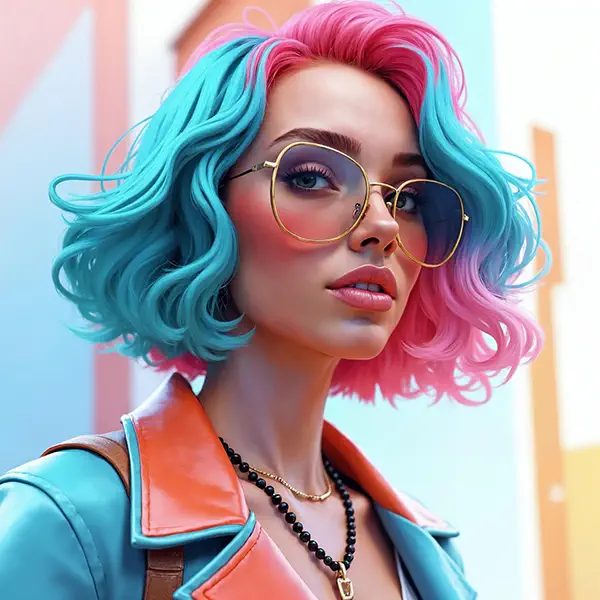
Walk through the Instagram feeds of direct-to-consumer brands today and something is a little different. The imagery is polished. The lighting is consistent. The models look varied and considered. But many of these brands are smaller than you’d think. They don’t have in-house photography teams. And in some cases, they didn’t book a single studio.
What happened?
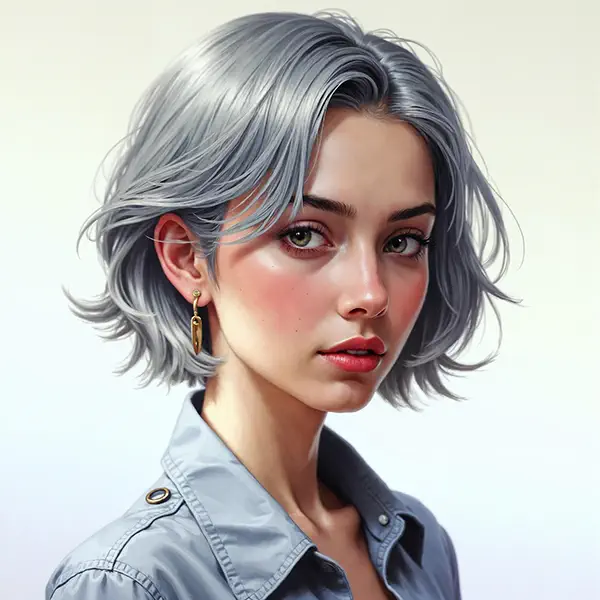
The production of visual content has started to decouple from the physical act of photography. And at the center of that shift is the rise of the artificial intelligence photoshoot — a term that still sounds futuristic to some, but is already a working reality for thousands of creators and businesses.
The idea is straightforward: using AI-powered tools, you can generate product images, lifestyle scenes, and even model photography without stepping into a studio. You describe the scene, adjust the aesthetic, upload your product, and receive finished visuals in a fraction of the time and cost a traditional shoot would require.
Why This Isn’t Just a Cost-Cutting Shortcut
The first instinct many people have is to frame this as a compromise. Sure, AI images are cheaper — but are they as good?
It’s the wrong question, honestly. Because the better question is: good for what?
For certain categories of content — editorial spreads in print magazines, high-concept fashion campaigns, architectural photography, documentary work — the human touch still matters enormously. A great photographer sees things a camera doesn’t. They work with light in ways that feel almost intuitive. They build a relationship with a subject that shows up in the final frame.
But a significant portion of commercial visual content doesn’t require that. It requires consistency. It requires variety. It requires the ability to show the same product in 12 different lifestyle contexts without a 12x increase in budget.
That’s where the artificial intelligence photoshoot has found its footing — not as a replacement for all photography, but as a tool that expands what’s possible for people who couldn’t previously afford what they needed.
The Creative Freedom Angle No One Talks About Enough
Here’s something that often gets lost in the cost conversation: AI-powered visual creation gives small creators a level of creative control that was previously only available to well-funded teams.
Want to see your product on a kitchen counter in a bright Scandinavian apartment? In a moody, candlelit setting? On a model with a specific body type, in a specific season, in a specific kind of light? Traditionally, each of those variations would require a separate shoot, a separate budget, a separate round of scheduling.
With an AI photoshoot workflow, these aren’t separate projects. They’re iterations. You try things. You adjust. You explore directions you might have dismissed as too expensive to test.
That kind of iterative visual exploration changes how brands think about their creative process — not just how they produce images, but what questions they’re willing to ask in the first place.
What This Means for Photographers
It would be intellectually dishonest to have this conversation without addressing the elephant in the room.
Yes, some work that used to go to photographers — particularly product photography, e-commerce shoots, and certain kinds of model-based content — is being absorbed by AI tools. That’s a real shift, and it’s worth acknowledging plainly.
But the photographers who are thriving are the ones who’ve started thinking differently about where their value actually lies. It’s not in the mechanical production of images. It’s in direction. Storytelling. The relationship between a photographer and a subject. The editorial judgment that turns a concept into something that moves people.
Those things don’t automate easily. They deepen with experience. And brands that understand visual storytelling at a meaningful level will always need people who’ve spent years developing that instinct.
Practical Considerations Before You Go Camera-Free
If you’re thinking about incorporating AI-generated visuals into your content workflow, a few honest notes worth keeping in mind:
Not all AI image tools are built the same. Some excel at product photography. Others handle lifestyle and environment much better. A few are specifically designed for fashion and model imagery. Test several before committing to a workflow.
Be transparent when it matters. Audiences are increasingly savvy about AI imagery, and some communities have strong feelings about it. Knowing when to use AI-generated content and when to use real photography is itself a creative decision.
Quality control still requires a human eye. AI tools generate options, not guarantees. The work of reviewing, selecting, and refining outputs takes real taste and judgment to do well.
The Camera Isn’t Going Anywhere — But the Crew Might Look Different
The photoshoot isn’t dying. Beautiful, intentional photography still matters — maybe more than ever, in a world where AI-generated imagery is becoming ubiquitous. Standing out visually will require exactly the kind of creative specificity that great photographers bring.
But the idea that every brand needs to book a studio, hire a full crew, and spend thousands to produce compelling visual content? That assumption is quietly becoming outdated.
The tools available today — including a growing ecosystem of artificial intelligence photoshoot platforms — have changed the calculus in a way that opens the door for smaller players, faster iteration, and more creative experimentation.
Your next photoshoot might look exactly the same as your last one. Or it might happen entirely on a laptop, with no camera crew in sight, and turn out to be your best work yet.
The only thing that matters is whether the image does what images are supposed to do: make someone stop, look, and feel something.
The best visual content has always been about intention, not equipment. That truth hasn’t changed — only the tools available to act on it.





No Comment! Be the first one.