



What Happens When Drones Enter Private Airspace?
Drone technology has rapidly evolved over the past decade, becoming an essential tool across industries such as construction, agriculture, real estate, infrastructure inspection, public safety,...

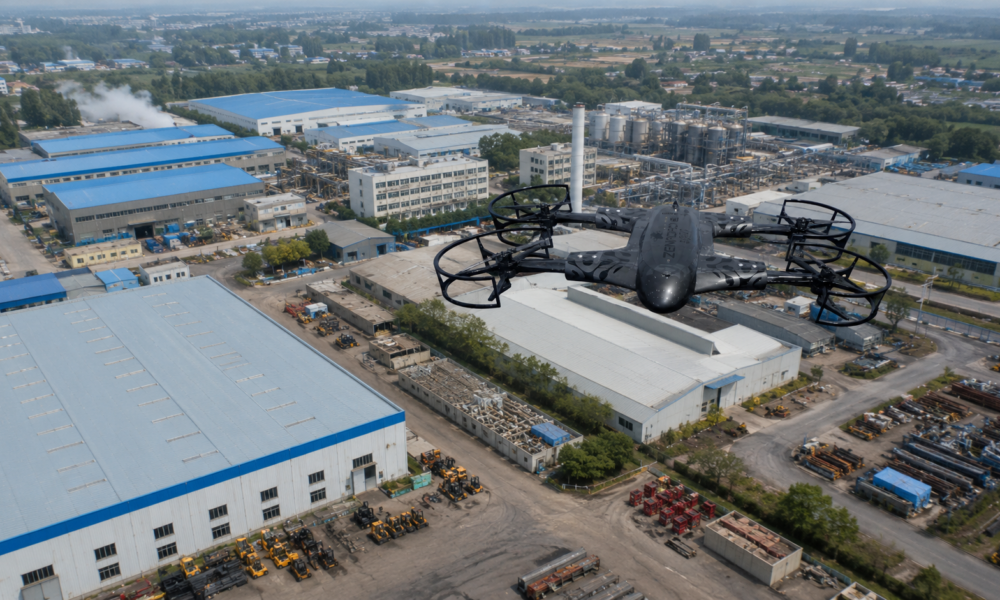
Drone technology has rapidly evolved over the past decade, becoming an essential tool across industries such as construction, agriculture, real estate, infrastructure inspection, public safety, filmmaking, and environmental monitoring. What was once considered a niche hobby is now a multi-billion-dollar industry that continues to reshape how businesses collect data, improve efficiency, and make informed decisions.
Table Of Content
- Understanding the Concept of Private Airspace
- Why Drone Flights Over Private Property Raise Concerns
- When Can a Drone Flight Become a Legal Issue?
- The Growing Importance of Privacy Laws
- How Aviation Authorities Regulate Drone Operations
- Technology Helping Improve Compliance
- What Property Owners Can Do
- Best Practices Every Drone Pilot Should Follow
- Commercial Drone Operations Require Greater Responsibility
- Why Education Is More Important Than Ever
- The Future of Drone Regulations
- Final Thoughts
As drones become increasingly common in residential neighborhoods, industrial facilities, and commercial districts, public concerns regarding privacy, airspace rights, and legal compliance have also grown. Property owners often question whether a drone flying overhead is operating legally, while drone pilots want to understand where they can safely fly without violating regulations.
One of the most frequently asked questions is what actually happens when a drone enters private airspace. The answer is more complex than a simple yes or no. It depends on aviation regulations, privacy laws, local ordinances, flight behavior, and the purpose of the operation. Understanding these factors allows both drone operators and property owners to avoid misunderstandings while promoting safe and responsible drone use.
Understanding the Concept of Private Airspace
Many homeowners believe they own every inch of airspace above their property. Although this assumption seems logical, aviation law generally treats airspace differently from land ownership.
National aviation authorities are responsible for regulating navigable airspace, establishing flight rules, altitude restrictions, and operational requirements for drones and other aircraft. Property ownership primarily provides rights related to the land itself, including privacy, security, and peaceful enjoyment of the property.
Because of this distinction, a drone flying over a property is not automatically violating the law. Instead, authorities consider multiple factors, including the altitude of the flight, its purpose, whether it creates a nuisance, and whether it interferes with an individual’s reasonable expectation of privacy.
Understanding this legal separation between land ownership and regulated airspace helps reduce many common misconceptions surrounding drone operations.
Why Drone Flights Over Private Property Raise Concerns
Unlike traditional aircraft, drones are capable of flying at relatively low altitudes while carrying high-definition cameras, thermal sensors, LiDAR systems, and other advanced imaging equipment.
This ability makes drones incredibly valuable for commercial applications but also increases public concern.
Property owners may worry about:
- Personal privacy
- Unauthorized photography or video recording
- Noise pollution
- Safety risks
- Data collection
- Security threats
Although many of these concerns are understandable, most professional drone operators follow strict operational procedures designed to minimize these issues.
Responsible pilots typically avoid hovering over private homes unnecessarily, maintain safe distances from people and structures, and comply with aviation regulations governing their flights.
When Can a Drone Flight Become a Legal Issue?
A drone entering the airspace above private property does not automatically create legal liability. However, certain behaviors can increase the likelihood of complaints or enforcement action.
Examples include:
- Repeatedly hovering over residential backyards
- Recording individuals without permission
- Flying dangerously close to homes, vehicles, or people
- Operating inside restricted airspace
- Ignoring temporary flight restrictions
- Flying recklessly or aggressively
- Creating excessive disturbance or noise
- Conducting unauthorized commercial operations
In these situations, legal concerns may involve aviation law, privacy legislation, trespassing claims, harassment statutes, or local municipal regulations depending on the jurisdiction.
Professional operators reduce these risks through proper planning, pre-flight assessments, and responsible flight behavior.
The Growing Importance of Privacy Laws
Privacy has become one of the most significant topics in modern drone regulation.
Today’s drones are equipped with cameras capable of capturing extremely detailed photographs and videos from considerable distances. While these capabilities benefit industries such as mapping, inspections, emergency response, agriculture, and surveying, they can also create concerns when used irresponsibly.
Many governments have introduced updated privacy legislation designed to protect individuals from intrusive surveillance while still allowing legitimate drone operations.
Understanding drone privacy laws for homeowners helps both drone operators and residents understand where privacy expectations begin and how responsible drone use supports those rights.
Operators should remember that even if a flight complies with aviation regulations, recording private activities without consent could still lead to legal consequences.
How Aviation Authorities Regulate Drone Operations
Around the world, aviation authorities continue updating drone regulations to improve safety while encouraging innovation.
Although requirements vary by country, many regulatory frameworks include similar operational rules.
Common regulations include:
- Drone registration requirements
- Pilot certification for commercial operators
- Maximum permitted flight altitude
- Visual line-of-sight requirements
- No-fly zones around airports
- Restrictions near military facilities
- Remote ID implementation
- Night operation requirements
- Operational risk assessments
- Equipment maintenance standards
These regulations exist to protect both drone operators and the general public while allowing commercial drone technology to continue expanding.
Pilots who remain informed about changing regulations are far less likely to encounter legal problems.
Technology Helping Improve Compliance
Modern drones include numerous intelligent safety systems designed to help operators comply with regulations.
Many aircraft now feature:
- GPS stabilization
- Automatic Return-to-Home
- Obstacle avoidance sensors
- Real-time telemetry
- Geofencing technology
- Altitude limit controls
- Battery monitoring systems
- Emergency landing features
These technologies reduce pilot workload while helping prevent accidental violations.
Commercial drone software platforms also integrate airspace maps, weather information, and flight authorization tools that further improve operational safety.
What Property Owners Can Do
When a drone appears to be operating near private property, property owners should remain calm and avoid taking immediate action against the aircraft.
Instead, they should first determine whether the drone is actually creating a privacy or safety concern.
If necessary, property owners should:
- Observe the drone’s behavior.
- Record the date and time.
- Document the incident with photographs if appropriate.
- Identify repeated or suspicious activity.
- Contact local authorities when required.
- Report violations to the relevant aviation regulator.
Attempting to interfere with, damage, or disable a drone may create separate legal consequences and should generally be avoided.
Most situations can be resolved through proper reporting rather than confrontation.
Best Practices Every Drone Pilot Should Follow
Whether flying recreationally or commercially, responsible drone operators share many of the same habits.
Recommended best practices include:
- Research local drone regulations before every flight.
- Check for temporary flight restrictions.
- Respect private property and personal privacy.
- Maintain visual line of sight throughout the operation.
- Avoid flying directly above uninvolved people.
- Monitor weather conditions before takeoff.
- Inspect batteries and aircraft before every mission.
- Keep firmware and flight software updated.
- Use geofencing and safety alerts whenever available.
- Plan emergency landing locations.
These habits improve operational safety while helping maintain public confidence in drone technology.
Commercial Drone Operations Require Greater Responsibility
Commercial drone pilots often perform missions involving infrastructure inspections, construction monitoring, agriculture, utility management, surveying, mapping, and industrial facilities.
Because these operations may involve more complex environments, commercial operators typically face additional responsibilities.
These may include:
- Pilot licensing
- Aircraft registration
- Operational approvals
- Insurance coverage
- Maintenance records
- Flight documentation
- Risk assessments
- Employee training
Organizations that establish comprehensive drone safety programs generally experience fewer operational disruptions while maintaining regulatory compliance.
Why Education Is More Important Than Ever
One of the biggest challenges facing the drone industry is misinformation.
Many conflicts between drone pilots and property owners occur simply because one or both parties misunderstand the law.
Educational initiatives by aviation authorities, drone manufacturers, and industry organizations continue improving public awareness regarding responsible drone use.
As more people understand how drones operate and what regulations actually require, unnecessary conflicts become less common.
Education benefits everyone involved by promoting safer operations, stronger privacy protections, and greater acceptance of drone technology.
The Future of Drone Regulations
Drone regulations will continue evolving as technology advances.
Artificial intelligence, autonomous flight systems, Beyond Visual Line of Sight (BVLOS) operations, drone delivery services, and urban air mobility are expected to introduce new regulatory challenges over the coming years.
Governments will likely continue balancing innovation with public safety, cybersecurity, and privacy concerns.
For drone operators, staying informed will remain just as important as learning how to fly.
Final Thoughts
Drone technology continues transforming industries by providing safer inspections, faster data collection, improved mapping, precision agriculture, infrastructure monitoring, emergency response, and countless other applications. However, with these opportunities comes the responsibility to operate safely and respectfully.
Entering the airspace above private property is not automatically illegal, but every flight should consider aviation regulations, privacy legislation, operational safety, and local ordinances. Professional drone operators who prioritize planning, transparency, and responsible flying practices are far more likely to maintain compliance while earning public trust.
As drone adoption continues to grow worldwide, understanding the legal framework surrounding private airspace will become increasingly important for pilots, businesses, and property owners alike. By staying informed, respecting privacy, and following current aviation guidelines, everyone can help create a safer and more responsible future for drone operations.






No Comment! Be the first one.