


How to Reduce Bee Attraction Around Outdoor Pet Areas
Outdoor pet spaces are essential for animals to exercise, relax, and enjoy fresh air safely. However, these environments can sometimes experience increased bee attraction, especially during warmer...

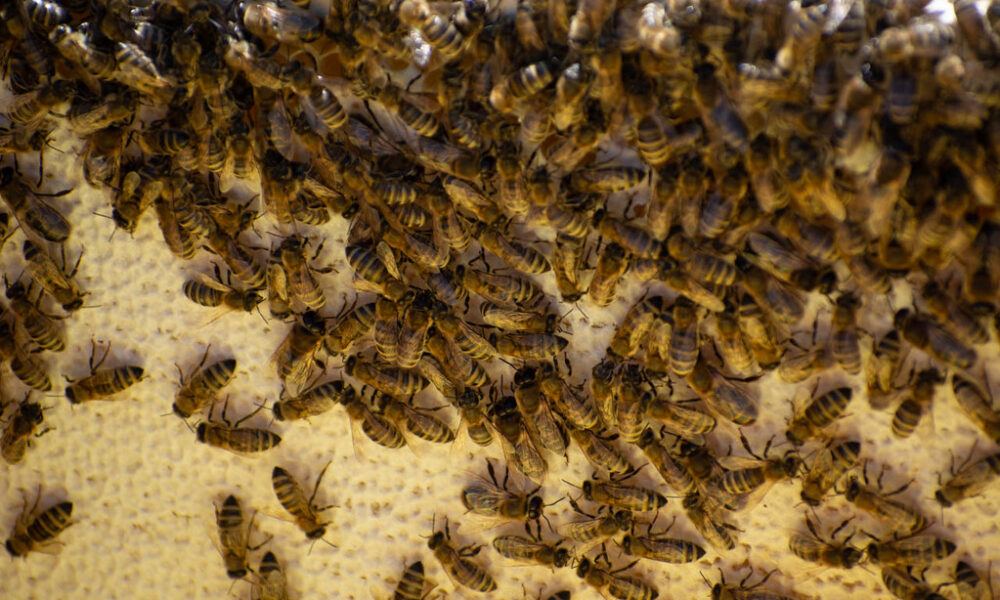
Outdoor pet spaces are essential for animals to exercise, relax, and enjoy fresh air safely. However, these environments can sometimes experience increased bee attraction, especially during warmer months when food scents and water sources become more noticeable. Pet owners often overlook how small environmental factors contribute to insect activity, yet these details significantly influence how frequently bees explore a given area. By understanding behavioral triggers and implementing thoughtful adjustments, it becomes possible to maintain a safe, comfortable space for pets while still respecting the ecological importance of pollinators.
Bee behavior is primarily driven by survival needs, including food, water, and shelter. Outdoor pet areas often unintentionally provide these resources in subtle ways that increase bee attraction over time. For example, pet food bowls containing sugary kibble or residue can emit scents that resemble natural nectar sources. Even trace amounts of protein or carbohydrates left behind after feeding sessions can draw insects from nearby gardens or trees.
Water is another significant factor influencing bee behavior. During hot weather, bees actively search for hydration sources to regulate temperature and support colony health. Pet water bowls, especially those left outside for extended periods, can become frequent landing points. If these bowls are placed near flowering plants or fruit trees, the likelihood of insect visits increases further.
Seasonal changes further influence insect behavior. Spring and summer months bring increased flowering activity, resulting in higher pollinator movement across residential landscapes. Pets spending more time outdoors during these seasons may encounter increased bee presence, especially in gardens rich with blooming vegetation. Recognizing these seasonal patterns allows homeowners to prepare proactively instead of reacting after activity begins.
Natural Strategies to Reduce Bee Attraction Safely
Creating a pet-safe environment begins with consistent maintenance and thoughtful design adjustments. One of the most effective ways to reduce bee attraction is by managing food exposure. Pet feeding areas should be cleaned immediately after meals to prevent lingering scents. Even small crumbs or spilled treats can encourage repeated insect visits if left unattended.
Choosing feeding locations carefully also makes a noticeable difference. Placing food and water bowls away from flowering plants, shrubs, or compost areas reduces overlapping scent signals that may confuse foraging bees. Separating pet zones from garden zones helps maintain clearer boundaries between animal activity and pollinator movement.
Water management plays an equally important role. Instead of leaving bowls filled throughout the day, refreshing water at scheduled intervals minimizes scent buildup and reduces exposure time. Some pet owners also use elevated water stations that are easier to clean and less likely to accumulate debris that contributes to bee attraction.
Landscaping adjustments further support safer outdoor environments. Replacing highly fragrant flowering plants near pet zones with low-scent greenery helps reduce insect interest. Native grasses and non-flowering shrubs can still provide aesthetic value without increasing pollinator concentration near animals.
Trash management is another essential factor. Outdoor bins containing food waste or pet-related materials should always remain tightly sealed. Even minor exposure to organic residue can create odor trails that encourage insects to investigate nearby areas. Regular disposal routines help prevent accumulation that contributes to unwanted activity.
Lighting conditions can also influence insect behavior. Bright outdoor lights positioned near pet areas may attract insects during evening hours, indirectly increasing overall bee attraction. Using softer, warmer lighting or motion-activated systems helps minimize unnecessary insect presence while maintaining visibility for safety.
Sometimes, persistent insect activity may indicate a nearby hive or nesting site. In such cases, professional assistance becomes necessary to ensure safe resolution without harming pollinators. Homeowners dealing with repeated activity near pet spaces may consult a bee removal service in San Marcosfor humane evaluation and relocation of colonies while preserving environmental balance.
Air movement also contributes to reducing insect concentration. Gentle airflow created by fans or natural breezes disrupts hovering behavior, making it less appealing for bees to remain in one area for extended periods. This method is particularly effective in enclosed patios or shaded pet zones where still air tends to accumulate.
Designing Pet Areas With Bee Prevention in Mind
Thoughtful design plays a major role in controlling bee attraction before it becomes a recurring issue. When planning outdoor pet spaces, location selection should be the first consideration. Areas far from flowering plants, fruit trees, or herb gardens naturally experience lower insect activity. Distance creates a buffer zone that reduces overlapping environmental triggers.
Surface materials also influence insect presence. Gravel, concrete, or synthetic turf tends to attract fewer insects compared to organic mulch or untreated wood. These materials do not retain moisture or scent in the same way, reducing environmental signals that contribute to bee attraction.
Shade structures such as canopies or pergolas should be designed with airflow in mind. While shade provides comfort for pets, overly enclosed designs can trap scents and moisture, unintentionally increasing insect interest. Open-sided structures maintain ventilation while still offering protection from sunlight.
Color choices in outdoor design may seem minor but can influence insect behavior. Bright floral tones can resemble natural nectar sources, potentially increasing curiosity among pollinators. Neutral shades such as beige, gray, or earth tones create a less stimulating visual environment that reduces unnecessary attention.
Pet toys and accessories should also be considered when designing safe spaces. Items left outdoors for extended periods can accumulate food residue or organic scents that contribute to bee attraction. Regular cleaning and storage indoors help minimize these risks while extending the lifespan of pet items.
Vegetation placement remains a critical design factor. While greenery enhances outdoor aesthetics, placing flowering plants too close to pet zones increases insect traffic. Strategic planting at the perimeter of the yard encourages pollinators to remain in designated garden areas rather than entering pet spaces.
Drainage systems also play a subtle yet important role. Standing water around pet areas can create microhabitats that attract insects seeking hydration. Proper drainage ensures water does not accumulate in unwanted locations, reducing long-term environmental factors contributing to bee attraction.
Finally, zoning outdoor spaces into clear functional areas improves both safety and organization. Separating pet zones, garden zones, and waste zones helps control scent distribution and reduces overlapping environmental signals. This structured approach creates a more predictable and manageable outdoor environment for both pets and owners.




No Comment! Be the first one.