




How Cosmetic Packaging Is Evolving with Consumer Demand and Innovation
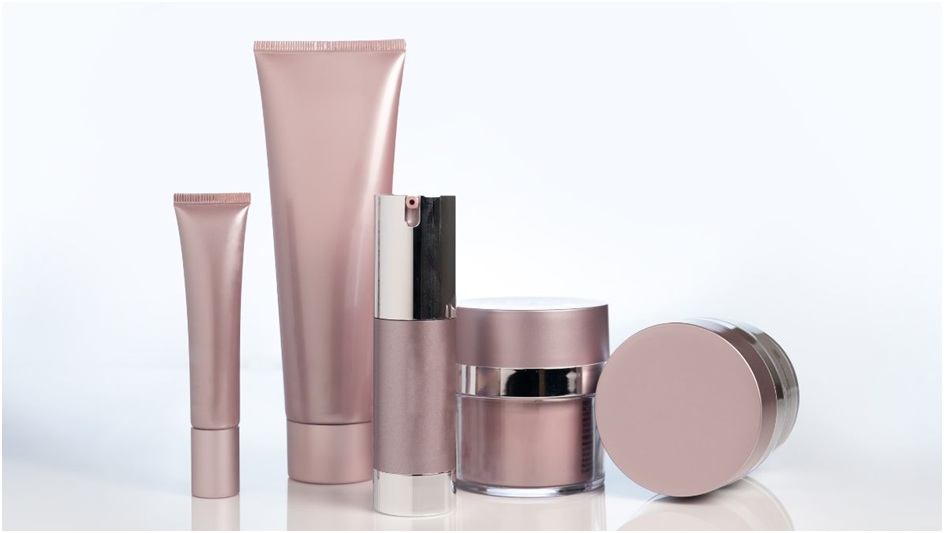
The beauty sector has seen immense progress over the last 10 years, and one significant development can be observed in cosmetic packaging. In earlier days, cosmetic packaging was seen as nothing but protection for the beauty product. Now cosmetic brands consider their packaging to be as vital as their products’ performance.
Today the consumers analyse beauty items depending on how they look and feel, their sustainability quotient, usability, ingredients and performance.
The world today needs beautiful products that can be carried around, environmentally safe, sustainable and that also meet their values. Thus, manufacturers are embracing innovative packaging in new materials, smart gadgets, refillable products, high end look and feel to support functionality as well as their brand’s brand appeal. Driven by innovation, the beauty and personal care industry expanded. Expert Market Research revealed that the global cosmetic packaging market size hit nearly USD 37.10 Billion in 2025, with a predicted compounded annual growth rate (CAGR) of 5.20% for 2026-2035 to USD 61.59 Billion in 2035.
With beauty and personal care products remaining in demand throughout the world, the cosmetic packaging continues to be an important element in buying choices.
Packaging Has Become a Powerful Brand Identity Tool
In the world today, packaging does a lot more than carry your favourite cream, serum, lipstick or fragrance. It’s a customer’s first contact point with your brand! When people see your products in a store, a shelf or even in an e-commerce window, it’s often packaging that will leave them with a lasting first impression. Good packaging shows they’re the right, professional place to invest their trust.
Everything from a choice of colour to fonts, material and texture speaks volumes about the identity of a brand. From sophisticated designs that enhance luxury to minimalist and transparent packaging for the clean beauty industry. With increasingly discerning consumers, businesses are investing in designs that mirror their ideals.
Consumer Demand Is Driving Packaging Innovation
Over recent years, the requirements placed on cosmetic packaging have significantly increased from those demanded by older generations. In addition to preserving products and safeguarding them during transit, packaging has a role to play in ensuring ease of use, the environmental benefits of sustainable packaging, longevity, and appealing design.
The packaging industry responds to this challenge by designing practical and aesthetic cosmetic packaging. The following table showcases how the expectations placed on packaging have influenced innovation.
| Consumer Demand | Packaging Innovation |
| Sustainable products | Recyclable, biodegradable, and refillable packaging |
| Premium appearance | Matte finishes, embossed designs, glass containers |
| Easy usability | Airless pumps, travel-friendly bottles, precision dispensers |
| Personalized experiences | Custom labels, limited editions, digital printing |
| Product transparency | QR codes, ingredient information, authentication features |
| Online shopping | Lightweight, durable, protective shipping-friendly packaging |
Rather than focusing on only one aspect of packaging, manufacturers are now balancing aesthetics, functionality, sustainability, and cost efficiency to satisfy diverse customer expectations.
Sustainability Has Moved to the Centre of Packaging Design
Environmental responsibility has also become a major driver for cosmetics packaging innovation. As consumers begin selecting companies committed to producing less waste and to lowering their carbon footprint, the move toward sustainable business practice will not just be viewed as a trend but as a key business objective. Manufacturers have been decreasing their use of extraneous packaging and substituting eco-friendly alternatives.
Some of the most widely adopted sustainable packaging materials include:
- Recycled plastics (PCR materials)
- Glass and aluminium containers
- Paper-based packaging
- Bamboo components
- Compostable and bio-based materials
In parallel with material advancements, brand owners are cutting back on design waste to save on plastic usage and lower carbon footprints, as well as to make packaging more readily recyclable. Furthermore, authorities across the globe are placing more emphasis on regulations and rules for reducing plastic waste. The increasing sense of responsibility continues to influence the entire beauty industry, driving the innovation process long term.
Refillable Packaging Is Becoming Increasingly Popular
One of the biggest beauty innovation trends this year: reusable packaging. Instead of tossing out your old compact or cleanser tube once it’s empty, you can now buy the product as a refill cartridge or pouch and keep the initial packaging as a kind of everlasting component to that specific product. Not only is this amazing for the environment, as it cuts down on plastic waste, but it’s often cheaper for the consumer in the long run and for companies.
Luxury makeup and skin care companies started this trend with designer fragrances and fancy face serums, and mainstream brands are taking notice.
Reusable packaging also helps companies build consumer loyalty; the more times a person is purchasing refills, the more loyal a customer they become to that brand, making it more likely they will repurchase if they know refills will be available. With sustainability becoming even more important, expect to see a lot more reusable packaging pop up soon, not just for makeup and skincare, but in other sectors of cosmetics as well.
Premium Packaging Continues to Influence Purchasing Decisions
Before a potential buyer even get a whiff of the fragrance or applies the first layer of foundation, consumer expectations for a cosmetic are often moulded by the packaging. A beautiful product appearance instils higher expectations of performance, so premium packaging design can give a major competitive edge. Today’s cosmetic brand designers integrate sleek packaging designs with functional appeal through a variety of details.
Embossed logos, metallic finishes, soft-touch exteriors, magnetic closures, magnetic closers, and even frosted glass bottles help luxury cosmetic lines pop on shelf and emphasize brand identity.
More than just the exclusive and luxury market, however, inexpensive cosmetic lines also often rely on well-appointed packaging to set themselves apart. The increasing prominence of social media marketing also plays a major role in this phenomenon because gorgeous items are so shareable.
Technology Is Creating Smarter Cosmetic Packaging
There’s an abundance of new opportunities as cosmetic brands digitize packaging innovation. The new world of “smart packaging” will help cosmetic manufacturers retain customers beyond the product’s life while increasing brand transparency and authenticity. Several cosmetics businesses are adding QR codes that take you to product ingredient guides, tutorial videos, and skincare regimens or direct consumers to a page verifying their product is authentic.
In the meantime, a few cosmetic businesses are exploring RFID tags or an augmented reality interface which sends recommended tips through your smart phone, offering users a more interactive experience.
In addition to enhancing customer satisfaction and brand loyalty, smart packaging offers companies greater supply chain visibility and the chance to combat counterfeit goods. With decreasing technology costs, smart packaging will soon become commonplace across the cosmetics industry.
Minimalist Designs Reflect Modern Consumer Preferences
Customers are leaning towards minimalist and clean packaging that exudes quality and sophistication and portrays trust and authenticity. Instead of packing products with a plethora of colours, brands now are opting for minimalism and plain and simple designs that focus on highlighting the product.
Neutral colours with minimalist typography and clean composition exude sophistication and class while making the labels much more legible. This design ethos seems especially well suited for products that contain natural elements and formulations based on science – think natural and organic skincare. Minimalist designs help the environment too by requiring fewer prints and decoration, thereby making them earth friendly.
The Rise of E-Commerce Has Changed Packaging Requirements
The way cosmetic packaging is created has significantly changed due to e-commerce. In this industry, cosmetics and makeup packaging can ship and get delivered in perfect condition across the miles. Packaging needs to be light weight, strong, non-leaking and the least volume as possible to keep a low shipping cost while delivering without any damage.
The unboxing part is important for online purchases and good and visually attractive packaging can lead to social media sharing and a lot of free advertising opportunities.With more direct-to-consumer sales increasing, packaging plays a huge part of the customer experience.
Innovation in Materials Is Expanding Industry Possibilities
This has also had an impact on the packaging industry within the cosmetic sector; material scientists are developing durable but sustainable packaging options. Novel materials which don’t adversely impact products or designs while minimizing the carbon footprint are constantly being explored by research groups.
More readily available bio plastics, sugar-based polymers, plastics found within the ocean and light composite materials gives manufacturers a wider range of packaging solutions and helps contribute towards sustainability initiatives. R&D in the material sector is set to improve this novel and cost-effective solutions in the future.
Future Trends That Will Shape Cosmetic Packaging
The future of cosmetic packaging will focus on creating solutions that combine environmental responsibility, digital technology, and premium consumer experiences. As innovation continues, manufacturers will increasingly develop packaging that is intelligent, reusable, and tailored to individual customer preferences.
Some of the most significant trends expected to shape the industry include:
- Wider adoption of refillable packaging systems
- Smart packaging using QR codes and NFC technology
- AI-driven personalized packaging experiences
- Greater use of bio-based and recyclable materials
- Carbon-neutral manufacturing and circular packaging initiatives
Companies that successfully balance innovation with sustainability will be better positioned to build customer loyalty and remain competitive in an evolving global marketplace.
Conclusion
Cosmetic packaging has changed from just the protection device of products to strategic asset of the business that affects customer buying choice, creates brand identity and customer satisfaction. Today, customers want products to have aesthetically pleasing, functional, ecological and technically efficient packaging that motivates brands to develop new solutions continuously. Refillable containers and sustainable raw materials up to digital features and elegant looks. Packaging innovations are modifying the global cosmetic industry.
Brands are prepared for current and future market need with the implementation of innovative technologies in their cosmetic packaging.
The global cosmetic packaging market was valued at about USD 37.10 Billion in 2025 and is projected to reach USD 61.59 Billion by 2035, growing at a CAGR of 5.20% during the period 2026-2035.



No Comment! Be the first one.