




Best Pizza Dough Maker Machine for Soft & Fresh Pizza
Homemade pizza has become a favorite for families, food lovers, home bakers, small cafés, and food startups. People want fresh dough, better taste, and control over ingredients. The 2026 pizza market...

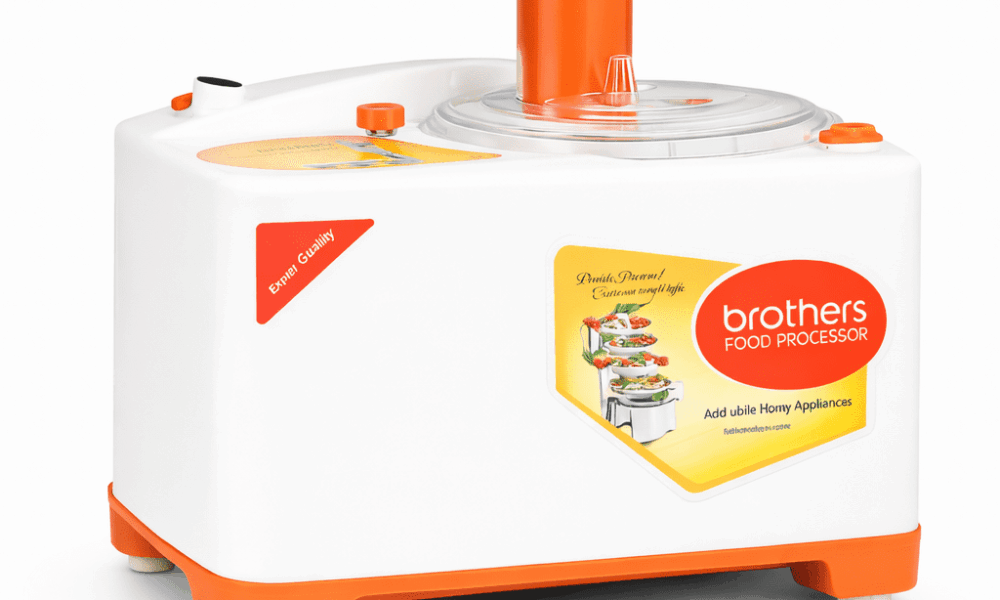
Homemade pizza has become a favorite for families, food lovers, home bakers, small cafés, and food startups. People want fresh dough, better taste, and control over ingredients. The 2026 pizza market also shows strong demand, with global pizza sales projected to grow from $215.53 billion in 2026 to $340.91 billion by 2034. Pizza trend reports are also putting more attention on specialty crusts, global flavors, and premium bases. That means the dough matters more than ever. A Pizza Dough Maker Machine makes the job easier by mixing and kneading dough with less mess, less effort, and more consistent results.
Table Of Content
- What Is a Pizza Dough Maker Machine?
- Why Pizza Dough Quality Matters
- Benefits of Using a Pizza Dough Maker Machine
- How a Pizza Dough Maker Machine Works
- Pizza Dough Maker Machine for Home Kitchens
- Pizza Dough Maker Machine for Small Businesses
- Key Features to Look For Before Buying
- Manual Dough Making vs Pizza Dough Maker Machine
- Tips to Make Better Pizza Dough
- Common Mistakes to Avoid
- Why a Pizza Dough Maker Machine Is Worth Buying
- Conclusion
- FAQs
- 1. Is a Pizza Dough Maker Machine good for home use?
- 2. Can I use a dough maker machine for roti or naan dough?
- 3. How long does a pizza dough machine take to knead dough?
- 4. What capacity is best for a small family?
- 5. Is a pizza dough kneading machine useful for small cafés?
What Is a Pizza Dough Maker Machine?
This appliance is a kitchen appliance designed to mix and knead dough automatically. You add flour, water, yeast, oil, salt, and other ingredients into the bowl. The machine then combines and kneads them until the dough becomes smooth and stretchy.
It is not only for pizza. A good dough maker machine can also help with bread dough, naan dough, roti dough, paratha dough, buns, and other baking needs. This makes it useful for both daily home cooking and small food businesses.
From practical kitchen experience, the biggest value is control. When dough is kneaded evenly, it is easier to shape, easier to stretch, and more likely to bake into a soft crust.
Why Pizza Dough Quality Matters
Pizza quality starts with the base. Sauce, cheese, and toppings are important, but the crust decides the bite. If the dough is too dry, the pizza can become hard. If it is too wet, it can stick, tear, or lose shape.
Proper kneading helps build elasticity. This allows the dough to stretch without breaking and rise better during baking. Under-kneaded dough often gives a flat, dense, or dry base.
In 2026, specialty crusts such as sourdough, low-carb bases, added-protein dough, and creative pizza bases are becoming stronger menu trends. For homes and small businesses, this is a clear sign: better dough gives better pizza.
Benefits of Using a Pizza Dough Maker Machine
The biggest benefit of a Pizza Dough Maker Machine is convenience. Hand kneading takes strength, time, and practice. A machine handles the hard part while you prepare sauce, cheese, and toppings.
It also keeps the kitchen cleaner. Manual kneading spreads flour over the counter. A pizza dough machine keeps most of the mixing inside the bowl, which means less cleanup.
Consistency is another big win. If you make pizza often, you want the dough to feel the same each time. This machine helps you repeat the process when you use the same recipe and measurements.
For beginners, it removes fear. For busy families, it saves time. For small cafés, cloud kitchens, and home-based sellers, it can reduce labor pressure and speed up preparation.
How a Pizza Dough Maker Machine Works
The appliance uses a motor, bowl, and dough hook or kneading blade. You add the ingredients, choose the speed or function, and let the appliance mix and knead.
Start with flour, salt, and yeast. Add water and oil slowly. Low speed is best at the start because it prevents flour from flying out. Once the dough comes together, medium speed can help create a smoother texture.
A machine makes kneading easier, but the recipe still matters. Old yeast, wrong flour, or too much water can affect the result. The best dough comes from a balance of good ingredients, correct measurements, kneading time, and resting time.
Pizza Dough Maker Machine for Home Kitchens
This machine is ideal for home kitchens where people want fresh pizza without ordering from outside. It is useful for family dinners, weekend cooking, kids’ snacks, and homemade party food.
Fresh dough also gives you more control. You can adjust salt, use better flour, try whole wheat, or make a lighter base. This is helpful for families that care about taste and ingredients.
The Pizza Dough Maker Machine also makes cooking more enjoyable. Instead of getting tired before the pizza is shaped, you can focus on rolling, topping, baking, and serving.
For small kitchens, choose a compact model with an easy-clean bowl. A practical appliance is better than a large machine that takes up space and stays unused.
Pizza Dough Maker Machine for Small Businesses
A Pizza Dough Maker Machine can support small cafés, bakeries, restaurants, pizza startups, and home-based food sellers. When orders increase, hand kneading becomes slow and tiring.
For business use, consistency is very important. Customers expect the same taste and texture every time. A pizza dough kneading machine helps reduce batch differences when staff follow a clear recipe.
It can also improve workflow. Less manual kneading means more time for prep, baking, packing, and serving customers. For regular production, choose a machine with stronger motor power, larger bowl capacity, and durable parts.
A small home model may work for light use. Daily business use needs a stronger machine that can handle repeated batches.
Key Features to Look For Before Buying
Before buying, check motor power. Pizza dough is heavier than cake batter, so the motor must be strong enough to knead without overheating.
Bowl capacity matters too. A small family may need a compact bowl. A café or food seller may need a larger bowl for bigger batches.
Choose a stainless steel bowl if possible. It is durable, easy to clean, and better for regular use. Also check the dough hook quality. A weak hook may bend or struggle with thick dough.
Useful features include speed settings, safety lock, non-slip feet, overload protection, and easy cleaning. Warranty and after-sales support also matter. A slightly better machine with support is often smarter than the cheapest option.
Manual Dough Making vs Pizza Dough Maker Machine
Hand kneading has charm. Some people enjoy feeling the dough and learning by touch. It is also fine for small batches.
But for regular use, a Pizza Dough Maker Machine is more convenient. It saves energy, reduces mess, and gives more even kneading. This is helpful for people who have busy routines, less baking experience, or limited hand strength.
The best method is simple: let the machine knead, then shape the dough by hand. You get convenience while keeping the homemade feel.
Tips to Make Better Pizza Dough
Use good flour. Bread flour or strong flour usually gives better stretch because it has more protein. All-purpose flour can also work, but the crust may feel softer.
Measure water carefully. Add it slowly and watch the dough texture. Different flours absorb water differently.
Use fresh yeast. Old yeast can stop dough from rising well. After kneading, give the dough enough rest so it becomes soft and airy.
Do not overload the bowl. Too much dough can strain the motor and lead to uneven kneading. Clean the bowl and hook after every use so your next batch stays fresh.
Common Mistakes to Avoid
A common mistake is adding too much water at once. This makes dough sticky and hard to handle. Add water slowly and adjust as needed.
Another mistake is skipping rest time. Dough needs time to relax, rise, and develop flavor.
Avoid old yeast, overfilling the bowl, starting at high speed, or washing the motor area carelessly. These small mistakes can affect both dough quality and machine life.
Why a Pizza Dough Maker Machine Is Worth Buying
A Pizza Dough Maker Machine is worth buying if you make pizza, bread, naan, roti, buns, or other dough-based foods often. It saves time, reduces hand effort, and helps create smoother dough with less stress.
For regular dough prep, a Pizza Dough Maker Machine can become a long-term value appliance. You are not buying a single-use gadget. You are buying a helper for many recipes.
For families, it makes fresh food easier. For small businesses, it supports faster prep and steady quality. Once you understand your recipe, you can make soft and fresh dough again and again.
Conclusion
Fresh dough is the heart of great pizza. Toppings add flavor, but the base decides softness, texture, and overall taste. A Pizza Dough Maker Machine helps homes and small businesses prepare dough faster, cleaner, and more consistently.
When choosing one, focus on motor strength, bowl size, safety, cleaning, durability, and warranty. The right machine can make pizza night easier and support better food preparation every day.
If you want soft, fresh, homemade-style pizza without tiring hand kneading, choose a reliable dough maker from a trusted kitchen appliance brand and make every batch easier from the first mix.
FAQs
1. Is a Pizza Dough Maker Machine good for home use?
Yes. It is useful for home users who make pizza, bread, naan, roti, or buns regularly. It saves effort and helps prepare smoother dough with less mess.
2. Can I use a dough maker machine for roti or naan dough?
Yes. Most dough maker machines can knead roti, naan, paratha, and bread dough. Adjust flour, water, and kneading time according to the recipe.
3. How long does a pizza dough machine take to knead dough?
Many home dough machines can knead pizza dough in a short cycle, but timing depends on flour type, dough quantity, recipe, and motor power. Resting time should still come after kneading.
4. What capacity is best for a small family?
A compact or medium bowl is usually enough for a small family. If you often cook for guests or make multiple pizzas, choose a larger bowl.
5. Is a pizza dough kneading machine useful for small cafés?
Yes. It helps small cafés, bakeries, and home-based food sellers prepare dough faster, reduce manual effort, and keep quality more consistent.






No Comment! Be the first one.