


Common Roofing Issues Found in Commercial Buildings in Chicago
A thorough inspection can reveal roofing problems that may otherwise go unnoticed until they lead to costly repairs. Chicago’s changing weather conditions, including snow, ice, wind, and heavy rain,...

A thorough inspection can reveal roofing problems that may otherwise go unnoticed until they lead to costly repairs. Chicago’s changing weather conditions, including snow, ice, wind, and heavy rain, place significant stress on roofing systems. A commercial property inspection helps identify these concerns early, protecting the building and reducing the risk of unexpected expenses.
Table Of Content
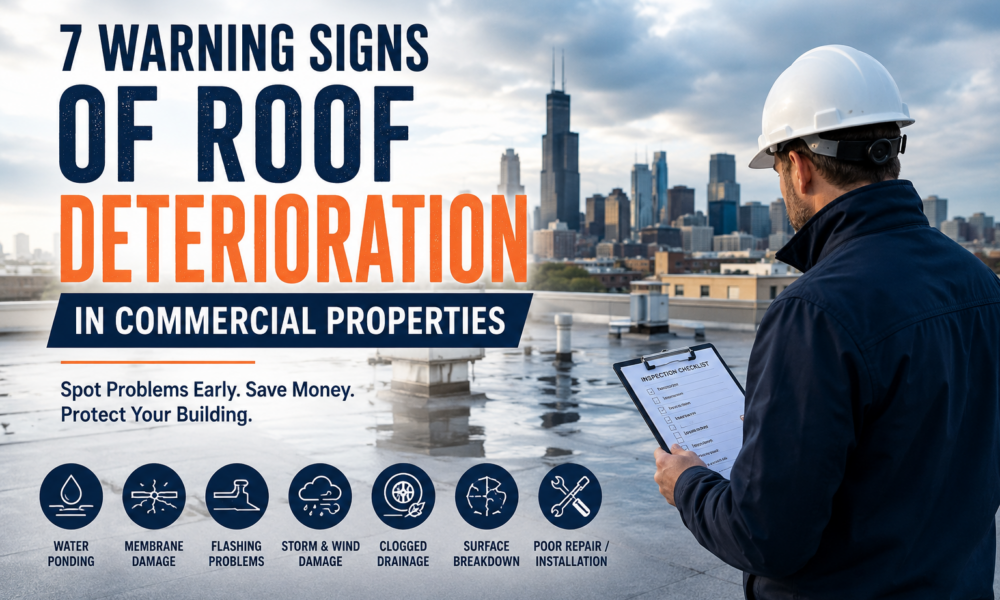
7 Warning Signs of Roof Deterioration in Commercial Properties
Understanding the roofing problems can help property owners take preventive action before minor concerns become major repairs.
1. Water Ponding
The typical situation is that one has problems with the correct drainage of flat and low-slope roofs. Therefore, ponding water is one of the key problems in commercial roofing. If water remains stagnant on the roofs, it can weaken structures. Not only this but water can create pressure on the roof itself and eventually the roof degrades. If you maintain your roof by checking water ponding, then you can save the extra dollars.
2. Damages to Roof Membrane
Roof membranes play an important role in protecting the building from water penetration. Chicago’s temperature variations may lead to cracking, blistering, shrinking, and separation at the seams of the membrane. The slightest opening in the membrane may lead to the penetration of water into the building damaging insulation, ceilings, and other parts of the structure. This should be a warning for you to remain more vigilant when it comes to your roof membranes.
3. Flashing Problems
Flashing is put in place in order to prevent water from entering through penetrations in the roof, roof edges, or where the roof connects to other surfaces. With time, the flashing will start to loosen, corrode, crack, or pull away from the roof surface. As a result of such problems with the flashing, water can find its way into the structure causing leaks. Such problems are not always easy to notice from the ground. For this reason, it is essential to perform roof inspections on a regular basis to avoid such problems.
4. Storms and High Winds
The weather in Chicago can prove to be quite tough on the roofs of commercial buildings, especially when there are heavy storms. The wind might end up lifting roof materials and loosening the flashing or create holes where water can penetrate the structure. The hail can cause damage by puncturing the membrane or destroying the protective coatings of the roof. Many property owners that also use Chicago home inspection services know how important it is to detect weather-related damages.
5. Clogging of Drainage System and Its Effect
The efficiency of the drainage system is important for commercial roofs for the evacuation of rainwater from the premises. The presence of clogging from leaves, dust, and waste will not allow easy passage of the water, leading to accumulation of water in the roof. It can lead to various problems such as water leakage and the breaking down of the roofing materials.
6. Surface Breakdown
The continuous exposure of the roof surfaces to the sun, temperatures, moisture, and pedestrian traffic leads to a breakdown of the roofing materials. The protective layers of materials start wearing off, and the seals may get damaged. The surfaces of the roofing material may become worn out and cracked. The aging process makes it hard for the roof to protect itself from any weather conditions.
7. Improper Prior Roofing Repair or Installation
In certain situations, roofing problems can be due to poor prior roofing repair or installation. Poor sealing at the seams, inadequate flashing, or use of incompatible materials can cause continuous leakage and eventually contribute to roof failure. These types of problems can go unnoticed for many years until they manifest themselves indoors in the building. Roof inspection makes it possible to detect such roofing installation problems and resolve them before more trouble occurs in the roof.
Conclusion
Commercial roofs are subject to numerous hazards like bad weather, aging, and regular wear-and-tear. The detection of the roofing problems like ponding, membrane damage, improper flashing, drainage problems can help avoid major roofing repairs. If you wish to avoid these problems, then you should conduct a timely investment.
Regular maintenance and scheduled inspections are essential practices for extending the lifespan of a commercial roof. Many property owners focus only on visible issues, but roofing systems often develop hidden damage that gradually becomes worse over time. Small cracks, loose materials, and minor leaks may appear insignificant at first, yet they can eventually compromise the structural integrity of the building. Identifying these concerns early can help reduce repair costs and prevent disruptions to business operations.
Professional inspections provide a detailed evaluation of roofing components, including drainage systems, flashing, seams, insulation, and roof surfaces. Inspectors can identify areas that are vulnerable to weather damage and recommend solutions before conditions worsen. Seasonal inspections are especially valuable in locations with changing climates because roofs constantly expand and contract as temperatures rise and fall. This repeated movement can weaken roofing materials and increase the likelihood of damage.
Preventive maintenance also helps improve energy efficiency within commercial properties. Damaged roofing materials or moisture intrusion may affect insulation performance, forcing heating and cooling systems to work harder. Increased energy consumption can lead to higher operating costs for property owners. Maintaining a roof in good condition contributes to better indoor comfort while supporting energy savings over time.
In addition, keeping inspection and maintenance records can benefit property owners when planning future repairs or replacements. A documented history of roof conditions helps track recurring problems and provides useful information for budgeting purposes. By taking a proactive approach rather than waiting for visible failures, property owners can protect their investment and ensure the roof continues performing effectively for many years. Regular monitoring also reduces safety risks for employees and visitors because unnoticed roofing failures can create hazards such as ceiling damage, falling materials, or slippery conditions caused by leaks within the property during everyday business activities and operations overall.
Regular inspections prevent hidden damage, extend roof lifespan, improve safety, reduce expenses, and protect your commercial property investment long-term effectively.





No Comment! Be the first one.