





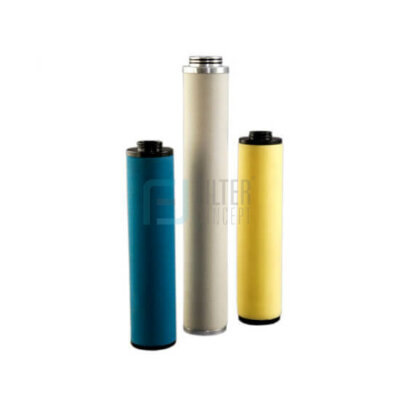
Compressed air is regarded as the fourth industry utility because it is the source for the operation of so many machines, tools and automation processes in industry. The quality of compressed air, however, has a significant impact on the equipment’s performance, product quality and operating cost. If not properly filtered, compressed air can include dust, oil aerosols, moisture, and rust particles, all of which cause damage to machines and can decrease productivity.
Table Of Content
- The question seems to be: what is a compressed air filter?
- Why Clean Compressed Air Filter Matters
- The following contaminants can be found in compressed air filter
- Discuss More about the Types of Compressed Air Filters
- Understanding about Compressed Air Filter Applications Across Industries
- How to Choose the Right Compressed Air Filter
- The Bottom Line
High quality compressed air filter purpose to filter out these impurities ahead of time to the pneumatic equipment or production lines. From a manufacturing plant, food processing facility, pharmaceutical factory, to an automotive workshop, purchasing the right equipment filter system not only enhances efficiency but also prolongs the life of valuable equipment.
The question seems to be: what is a compressed air filter?
Compressed air filter, also known as Compressed air clean filter, is a filter unit used inside the compressed air equipment for filtering the impure air in the compressed air equipment. The ambient air introduces dusts, dirt, moisture, microorganisms and oil vapors during compression. The compressor retrofits can also be sources of introducing lubricants and metal particles into the air stream.
This filtering ability retains these pollutants and ensures the air treatment’s quality of the air, depending on various industrial use requests. In some industries, compressed air purity may be essential to ensure the consistency of the product; for meeting regulatory requirements and for avoiding damaging equipment failure.
Why Clean Compressed Air Filter Matters
Compressed air systems are used in many processes for use in precision operations. Operating problems can arise even for the smallest of impurities.
There are some very beneficial reasons to use an efficient compressed air filter:
Ensures that pneumatic tools and equipment are not prematurely worn.
Watersoaking resistant property
Enhances quality of the product – reduces contamination
Improves the lifetime value of the product and leads to lower maintenance and repair costs.
Reduces the use of energy around the compressed air system
Prolongs life of downstream equipment
Reduces unnecessary downtime in the production system
Cleaning compressed air is not just about clean equipment; it’s about reliable manufacturing processes and consistent output.
The following contaminants can be found in compressed air filter
While operating, compressed air systems are subject to different types of contamination. Teaching these impurities will help a business know the best filtration solution to go with.
Solid Particles
Unless filtered, dust, rust flakes, pollen, pipe scale and metal particles can cause physical damage to pneumatic valves, cylinders and instruments.
Moisture
Moisture is a part of air in the atmosphere. As the components are being compressed, the moisture turns into a liquid, causing corrosion, microbial growth and poor equipment reliability.
Oil Contamination
Lubricated compressors can be causing oil aerosols and oil vapors in the compressed air stream. If the oil is too much, it can jeopardize specific manufacturing processes and harm the manufacturing equipment.
Microorganisms
For industries like pharmaceuticals, in the healthcare industry and food processing, high level of cleanliness is required for compressed air as bacteria and microorganism may affect product safety.
Discuss More about the Types of Compressed Air Filters
The proper selection of the filter is dependent on the filter application and the desired air quality.
Particulate Filters
These filter out dust, dirt, rust and other solid particles from compressed air. It is generally used as the initial stage in filtration.
Coalescing Filters
Coalescing filters are filters that act on fine oil aerosols and moisture droplets, by making them grow in size until they are big enough to be drained off.
Activated Carbon Filters
The filters remove oil fugitive vapor, odors and hydrocarbon contamination. They are found in some locations where very pure air is demanded.
Sterile Filters
For pharmaceutical production and food industry, sterile filter is designed for compressed air that is free from bacteria.
In many industrial filtration systems the filter stages are coupled together to achieve increased air purity.
Understanding about Compressed Air Filter Applications Across Industries
Clean air is essential to safe and efficient operation and a compressed air filter is essential to many industries that rely on it.
Examples of common uses are:
Manufacturing plants
Automotive assembly lines
Produce and prepare food and drink.
Pharmaceutical production
Electronics manufacturing
Chemical processing
Textile industries
Medical equipment facilities
Packaging operations
CNC machining centers
There are various air quality requirements for each application, thus there is a need for the correct filters to be used in the system.
How to Choose the Right Compressed Air Filter
Choosing the right filter goes beyond selecting the right pipe size.
Consider the following:
Required airflow capacity
Operating pressure
The type of contaminants that are present
Desired filtration efficiency
The pressure drop will be across the filter.
Environmental conditions
Maintenance requirements
Industry Specified Air Quality>Air quality (AS) – Industry Specified.
Cooperation with a trustworthy filtration supplier can enable a filter to be used that is suitable for the required conditions and will satisfy the long-term performance requirements.
For long filter life, here are a number of tips to consider:
The best compact air filter must be serviced regularly if it’s going to work efficiently.
These are examples of best maintenance practices:
Change and replace filter media in line with manufacturer’s instructions.
Regularly check for pressure loss.
Remove all condensate that collects in the drain often.
Check seals, housing for leaks.
Wipe down equipment around laboratory to minimize excessive contamination.
Set up regular compressed air system checks.
Failure to maintain the filters can decrease air movement, windmills, and deteriorate air quality.
The Bottom Line
The compressed air systems are only as reliable as the compressed air quality they provide. The appropriate compressed air filter safeguards precious equipment, enhances manufacturing productivity, lowers maintenance expenses and guarantees product quality. For any operation, from simple to advanced particulate removal to multi-stage filtration, a high-performance filtration solution is a wise investment.
With industries constantly striving for greater productivity, energy savings and adherence to regulatory standards, compressed air filtration is increasingly becoming one of the best means of maximising a system’s performance. Businesses can develop a healthier atmosphere and operational workflow, longer equipment life and cleaner air, by selecting the right filter type and keeping it properly maintained.






No Comment! Be the first one.