




How to Write CIPD Assignments on Conflict Resolution
Introduction Conflict is an inevitable part of any workplace, and human resource professionals are often at the center of managing and resolving it. For learners studying through the CIPD,...

Introduction
Conflict is an inevitable part of any workplace, and human resource professionals are often at the center of managing and resolving it. For learners studying through the CIPD, understanding how to write assignments on effective conflict resolution is not just an academic requirement but also a practical skill that reflects real-world HR challenges. These assignments assess a learner’s ability to analyze workplace issues, apply relevant theories, and propose practical solutions that improve organizational harmony.
Table Of Content
Writing a strong CIPD assignment on conflict resolution requires more than summarizing textbook knowledge. It involves critical thinking, structured argumentation, and the ability to connect theory with practice. Students must demonstrate awareness of how conflict arises, how it affects employee performance, and how HR strategies can transform conflict into productive dialogue. This article explores how to approach such assignments effectively, ensuring clarity, academic depth, and professional insight.
Understanding CIPD Assignments and Conflict Resolution in HR
CIPD assignments are designed to evaluate both theoretical understanding and practical application of human resource management concepts. In the context of conflict resolution, learners are expected to demonstrate knowledge of workplace behavior, communication dynamics, and organizational policies that influence employee relations.
Conflict in HR can arise from differences in values, poor communication, unclear roles, or competing interests within teams. A well-written assignment should show an understanding of these causes while also linking them to broader organizational outcomes such as productivity, employee engagement, and retention. Referencing professional bodies such as CIPD and SHRM can help strengthen arguments and demonstrate awareness of global HR standards.
At this stage, it is also important to understand what assessors are looking for. They expect structured analysis, use of credible sources, and application of HR models such as Thomas-Kilmann Conflict Mode Instrument or interest-based negotiation approaches. A strong assignment does not simply describe conflict; it evaluates how and why it occurs and assesses the effectiveness of different resolution strategies in real workplace contexts.
Structuring Your CIPD Assignment on Conflict Resolution
A well-structured CIPD assignment is essential for achieving clarity and coherence. The structure should guide the reader logically through the argument while ensuring that each section builds on the previous one. Typically, a strong assignment begins with an introduction that outlines the purpose of the work and defines key concepts such as conflict and resolution within an HR context.
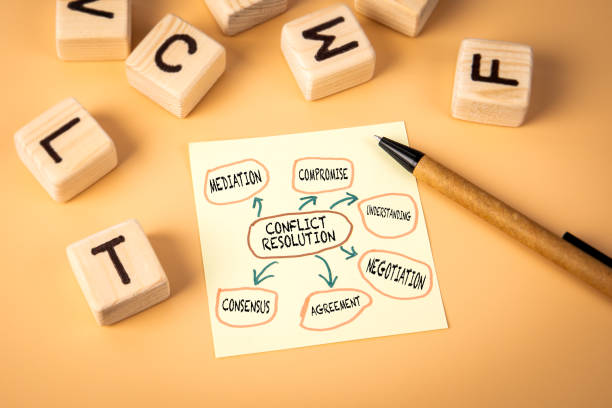
The main body should focus on analysis and discussion. Here, learners should explore different types of workplace conflict, including interpersonal, intragroup, and intergroup conflict. Each type should be explained in relation to its causes and impact on organizational performance. The assignment should then move into discussing conflict resolution strategies such as negotiation, mediation, and collaborative problem-solving.
It is important to integrate theory with practice throughout the writing. For example, linking conflict resolution models with real workplace scenarios helps demonstrate applied understanding, which is highly valued in CIPD assessments. The conclusion should summarize key insights and highlight the importance of effective conflict management in building a positive organizational culture.
To develop deeper understanding and improve assignment quality, learners can explore specialized academic support resources such as 5HR02 assignment Help, which provides structured guidance aligned with CIPD assessment criteria.
Key Theories and Frameworks for Conflict Resolution in HR
A high-quality CIPD assignment must include relevant theories that explain how and why conflict occurs and how it can be resolved effectively. One widely used model is the Thomas-Kilmann model, which outlines five conflict-handling styles: competing, collaborating, compromising, avoiding, and accommodating. Each style reflects different levels of assertiveness and cooperation, and understanding when to apply each approach is essential for HR professionals.
Another important framework is interest-based relational (IBR) approach, which emphasizes separating people from problems and focusing on mutual interests rather than positions. This approach is widely supported in HR literature because it promotes long-term relationship building and reduces workplace tension.
The SHRM also highlights the importance of emotional intelligence in conflict resolution, emphasizing self-awareness, empathy, and communication skills as essential HR competencies. By integrating such theories into assignments, students can demonstrate a strong understanding of both academic concepts and professional practice.
In addition, conflict escalation models can be useful in explaining how small disagreements can develop into major organizational issues if not addressed early. These frameworks help learners critically evaluate HR interventions and propose timely solutions that prevent long-term disruption.
Writing with Academic Depth and E-A-T Principles
To produce a high-scoring CIPD assignment, learners must follow the principles of Expertise, Authoritativeness, and Trustworthiness (E-A-T). Expertise is demonstrated by accurately explaining HR theories and applying them to real-world situations. Authoritativeness comes from using credible academic sources, including CIPD publications such as CIPD Official Resources and peer-reviewed journals that provide evidence-based insights.
Trustworthiness is achieved by ensuring that all arguments are logical, balanced, and supported by reliable data. Avoiding exaggerated claims and maintaining an objective tone is essential in academic writing. It is also important to critically evaluate sources rather than simply repeating information, as this shows higher-level thinking.
A strong CIPD assignment should also reflect analytical depth. Instead of describing what conflict resolution is, learners should assess its effectiveness in different organizational contexts. For example, they might explore how cultural differences or leadership styles influence conflict outcomes. This level of analysis demonstrates academic maturity and improves overall assessment performance.
Conclusion
Writing a CIPD assignment on effective conflict resolution in HR requires a balance of theoretical knowledge, practical understanding, and structured academic writing. By clearly defining concepts, applying relevant models, and critically analyzing workplace scenarios, learners can produce high-quality assignments that meet CIPD standards.
Effective conflict resolution is not just an academic topic; it is a vital HR skill that contributes to healthier workplace environments and improved organizational performance. By using credible sources, following a logical structure, and demonstrating critical thinking, students can ensure their work reflects both professional insight and academic excellence.
Ultimately, mastering this assignment topic helps build a strong foundation for a successful career in human resource management, where conflict resolution plays a central role in shaping positive and productive workplaces.
FAQs
1. What is the main focus of CIPD assignments on conflict resolution?
They focus on understanding workplace conflict, applying HR theories, and proposing practical solutions to manage and resolve disputes effectively.
2. Which theories are important for conflict resolution in CIPD assignments?
Key theories include the Thomas-Kilmann model, interest-based relational approach, and emotional intelligence frameworks.
3. How should I structure a CIPD assignment on conflict resolution?
Start with an introduction, followed by analysis of theories and workplace examples, and end with a clear conclusion.
4. Why is conflict resolution important in HR management?
It helps improve employee relationships, increase productivity, and maintain a positive workplace environment.
5. How can I improve my CIPD assignment quality?
Use credible sources, apply relevant HR models, and critically analyze real workplace scenarios instead of only describing concepts.







No Comment! Be the first one.