




Hair Transplant in Lahore: A Complete Beginner’s Guide
Hair Transplant in Lahore has become one of the most popular solutions for men and women dealing with hair loss. With modern technology, experienced surgeons, and internationally recognized clinics,...

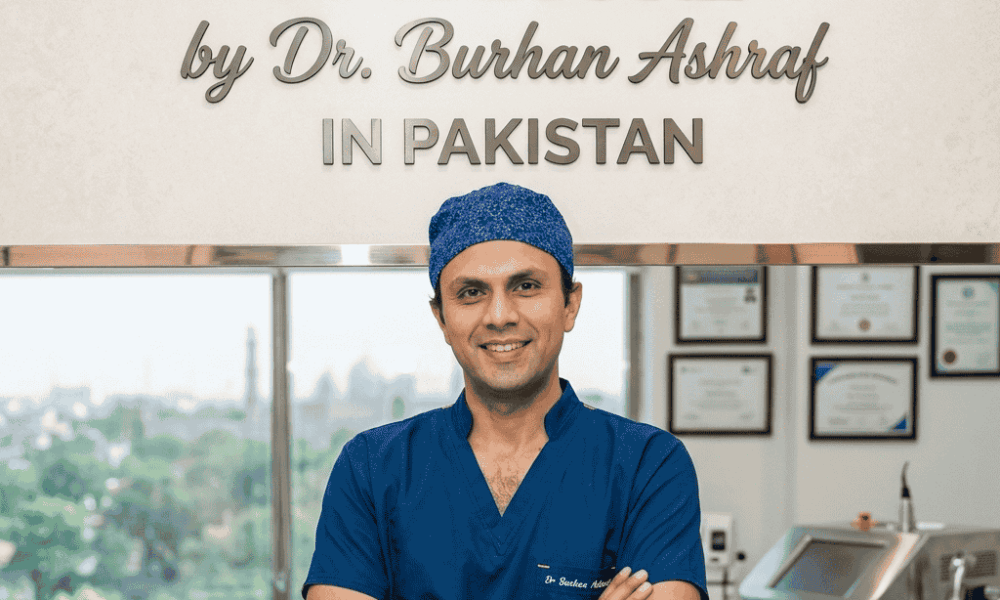
Hair Transplant in Lahore has become one of the most popular solutions for men and women dealing with hair loss. With modern technology, experienced surgeons, and internationally recognized clinics, Lahore has established itself as a leading destination for advanced hair restoration procedures. Whether your hair loss is caused by genetics, aging, hormonal changes, or medical conditions, a hair transplant offers a permanent and natural-looking solution. If you’re considering this procedure for the first time, understanding how it works, who is eligible, and what to expect can help you make an informed decision.
Table Of Content
- Understanding Hair Transplant Surgery
- Why Lahore is a Preferred Destination
- Who is a Good Candidate?
- Types of Hair Transplant Procedures
- FUE (Follicular Unit Extraction)
- FUT (Follicular Unit Transplantation)
- Step-by-Step Hair Transplant Process
- Initial Consultation
- Preparation
- Extraction
- Implantation
- Recovery
- Recovery Timeline
- Choosing the Right Hair Specialist
- Factors Affecting Treatment Cost
- Benefits of Hair Transplant Surgery
- Possible Risks and Side Effects
- Essential Aftercare Tips
- Common Myths About Hair Transplants
- Myth 1: Hair transplants look fake.
- Myth 2: The procedure is extremely painful.
- Myth 3: Results appear immediately.
- Myth 4: Only men can get hair transplants.
- Hair Transplant Trends in Pakistan
- Frequently Asked Questions
- Is a hair transplant permanent?
- How long does surgery take?
- When can I return to work?
- Will there be scars?
- Can hair fall again after transplantation?
- Final Thoughts
Understanding Hair Transplant Surgery
A hair transplant is a minimally invasive cosmetic procedure that involves moving healthy hair follicles from one area of the scalp (usually the back or sides of the head) to areas experiencing thinning or baldness. The transplanted follicles continue to grow naturally, providing long-lasting results.
Modern hair transplant procedures are safe, effective, and performed under local anesthesia. Most patients can return to their daily routine within a few days, making it a convenient option for working professionals and students alike.
Why Lahore is a Preferred Destination
Lahore has become a trusted city for cosmetic treatments due to its highly qualified surgeons, advanced medical facilities, and competitive pricing. Patients from across Pakistan and even overseas Pakistanis choose Lahore because clinics follow international standards while offering affordable treatment.
Another advantage is the availability of experienced doctors who specialize exclusively in hair restoration procedures. These professionals understand different hair types and design customized treatment plans according to each patient’s needs.
Who is a Good Candidate?
Not everyone experiencing hair loss requires immediate surgery. A good candidate generally has:
- Male or female pattern baldness
- Stable hair loss
- Healthy donor hair at the back of the scalp
- Realistic expectations
- Good overall health
A detailed consultation allows the surgeon to assess the scalp condition and determine whether transplantation is the right option.
Types of Hair Transplant Procedures
Several advanced techniques are available today, with the most common including:
FUE (Follicular Unit Extraction)
This modern technique involves extracting individual hair follicles and implanting them into bald areas. It leaves minimal scarring, offers faster healing, and produces natural-looking results.
FUT (Follicular Unit Transplantation)
In this method, a strip of scalp is removed from the donor area, and hair follicles are separated before transplantation. Although effective, it may leave a linear scar and usually requires a slightly longer recovery period.
Your surgeon will recommend the most suitable technique based on your hair condition, donor area, and cosmetic goals.
Step-by-Step Hair Transplant Process
Understanding the procedure helps reduce anxiety before surgery.
Initial Consultation
The doctor examines your scalp, discusses your medical history, evaluates donor hair availability, and designs your future hairline.
Preparation
On the day of surgery, the donor area is trimmed, cleaned, and numbed using local anesthesia.
Extraction
Hair follicles are carefully harvested using the selected technique.
Implantation
The extracted follicles are implanted into carefully created recipient sites following the natural direction of hair growth.
Recovery
Patients receive post-operative instructions regarding washing, medications, sleeping position, and activity restrictions.
Recovery Timeline
Recovery is generally smooth when patients follow medical advice.
- First week: Mild swelling and redness gradually disappear.
- Two to three weeks: Transplanted hairs may shed temporarily.
- Three to four months: New hair begins growing.
- Six to nine months: Noticeable improvement becomes visible.
- Twelve months: Final results are usually achieved.
Patience is essential because hair growth is a gradual process.
Choosing the Right Hair Specialist
Selecting an experienced Hair Specialist in Lahore is one of the most important decisions you’ll make. Look for qualifications, years of experience, before-and-after patient photos, clinic hygiene standards, and genuine patient reviews.
A qualified specialist will explain the procedure honestly, discuss realistic expectations, and recommend the most appropriate treatment rather than promising unrealistic outcomes.
Factors Affecting Treatment Cost
Many people ask about the hair transplant cost in Lahore before scheduling a consultation. The overall cost depends on several important factors, including the number of grafts required, the surgeon’s experience, the clinic’s reputation, the technique used, and the complexity of the procedure.
Instead of choosing a clinic based solely on price, patients should prioritize safety, expertise, and proven results to ensure a successful outcome.
Benefits of Hair Transplant Surgery
Hair transplantation offers numerous long-term advantages:
- Permanent hair restoration
- Natural-looking hairline
- Improved confidence
- Minimal maintenance
- Safe and reliable procedure
- Better personal appearance
- High success rate
- Long-lasting results
Unlike temporary treatments, transplanted hair continues growing naturally throughout life.
Possible Risks and Side Effects
Like any medical procedure, hair transplantation carries some minor risks, including:
- Temporary swelling
- Mild discomfort
- Scalp redness
- Itching
- Temporary shock loss
- Small scabs during healing
Fortunately, these effects usually resolve within a few days or weeks when proper aftercare instructions are followed.
Essential Aftercare Tips
Proper aftercare plays a major role in achieving successful results.
Patients should:
- Avoid touching the transplanted area.
- Sleep with the head elevated for several nights.
- Avoid heavy exercise during the first week.
- Use prescribed medications.
- Wash hair only as instructed.
- Protect the scalp from direct sunlight.
- Attend all follow-up appointments.
Following these guidelines improves healing and maximizes hair growth.
Common Myths About Hair Transplants
Myth 1: Hair transplants look fake.
Modern techniques create completely natural-looking hairlines when performed by experienced surgeons.
Myth 2: The procedure is extremely painful.
Since local anesthesia is used, most patients experience minimal discomfort.
Myth 3: Results appear immediately.
Hair growth takes several months, with full results generally visible after one year.
Myth 4: Only men can get hair transplants.
Women experiencing certain types of hair loss can also benefit from transplantation after proper evaluation.
Hair Transplant Trends in Pakistan
The popularity of hair transplant in Pakistan has increased significantly over the past decade. Advances in medical technology, improved surgical techniques, and greater public awareness have encouraged more individuals to seek professional treatment rather than relying on temporary solutions. Patients now have access to internationally trained surgeons and modern clinics capable of delivering high-quality results at affordable prices.
Frequently Asked Questions
Is a hair transplant permanent?
Yes. The transplanted follicles are typically resistant to hair loss and continue growing naturally for many years.
How long does surgery take?
Most procedures require between four and eight hours, depending on the number of grafts.
When can I return to work?
Many patients resume office work within three to five days.
Will there be scars?
Modern FUE procedures leave tiny scars that are usually difficult to notice after healing.
Can hair fall again after transplantation?
The transplanted follicles usually remain permanent, although existing natural hair may continue thinning over time.
Final Thoughts
Choosing the right clinic, experienced surgeon, and proper treatment plan are the keys to successful hair restoration. By understanding the procedure, recovery process, expected results, and aftercare requirements, first-time patients can confidently begin their hair restoration journey. Investing in professional treatment not only restores hair but also enhances self-confidence, appearance, and overall quality of life. Before making a decision, schedule a consultation with a qualified specialist to receive a personalized assessment and determine the best approach for your unique hair restoration goals.







No Comment! Be the first one.