




What Is Azoospermia, and What Causes Explained
Introduction Infertility affects millions of couples worldwide, and male infertility contributes to nearly half of all infertility cases. One condition that can significantly affect male fertility is...

Introduction
Infertility affects millions of couples worldwide, and male infertility contributes to nearly half of all infertility cases. One condition that can significantly affect male fertility is Azoospermia. Although the diagnosis can be distressing, it does not always mean that fatherhood is impossible.
Table Of Content
- Introduction
- What Is Azoospermia?
- Types of Azoospermia
- Obstructive Azoospermia
- Non-Obstructive Azoospermia
- What Causes Azoospermia?
- Genetic Disorders
- Hormonal Problems
- Blockages in the Reproductive Tract
- Testicular Damage
- Varicocele
- Lifestyle Factors
- Symptoms of Azoospermia
- How Is Azoospermia Diagnosed?
- Semen Analysis
- Medical History
- Physical Examination
- Blood Tests
- Genetic Testing
- Ultrasound
- Testicular Biopsy
- Treatment Options for Azoospermia
- Hormonal Therapy
- Surgery
- Sperm Retrieval Procedures
- IVF with ICSI
- Can Men With Azoospermia Have Children?
- Can Azoospermia Be Prevented?
- FAQs
- Is azoospermia the same as infertility?
- Can azoospermia be cured?
- Does azoospermia affect sexual performance?
- How is azoospermia confirmed?
- Is pregnancy possible with azoospermia?
- Conclusion
Azoospermia Treatment is a condition in which no sperm are present in a man’s semen. It affects about 1% of all men and approximately 10–15% of men experiencing infertility. Fortunately, advances in reproductive medicine have made it possible for many men with azoospermia to father biological children.
This article explains what azoospermia is, its causes, symptoms, diagnosis, available treatments, and ways to improve fertility outcomes.
What Is Azoospermia?
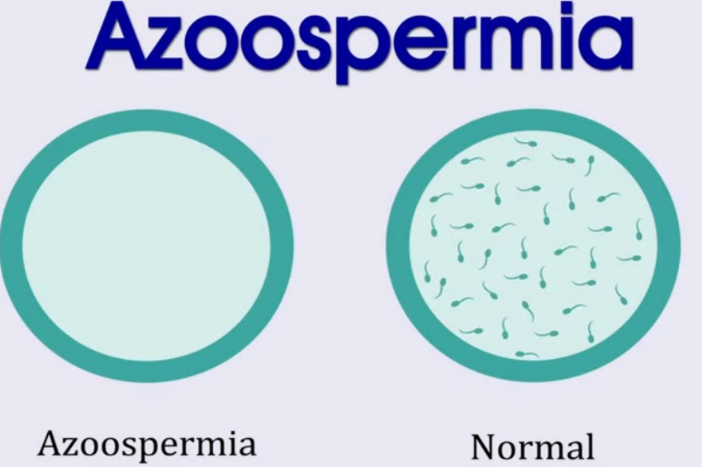
Azoospermia is a medical condition where a semen sample contains no sperm after laboratory examination.
Normally, sperm produced in the testicles travel through the reproductive tract and mix with seminal fluid before ejaculation. In men with azoospermia, this process is disrupted either because sperm are not being produced or because they cannot reach the semen.
A diagnosis is usually confirmed after at least two separate semen analyses.
Types of Azoospermia
There are two main types of azoospermia.
Obstructive Azoospermia
In obstructive azoospermia, sperm production is normal, but a blockage prevents sperm from reaching the semen.
Common blockage sites include:
- Epididymis
- Vas deferens
- Ejaculatory ducts
This type often has a good treatment outcome because sperm production remains intact.
Non-Obstructive Azoospermia
Non-obstructive azoospermia occurs when the testicles produce very few or no sperm.
This condition is usually related to:
- Hormonal disorders
- Genetic conditions
- Testicular damage
- Reduced sperm production
Treatment depends on identifying the underlying cause.
What Causes Azoospermia?
Several medical conditions can lead to azoospermia.
Genetic Disorders
Certain inherited conditions interfere with sperm production.
Examples include:
- Klinefelter syndrome
- Y chromosome microdeletions
- Congenital absence of the vas deferens
Genetic testing may be recommended before treatment.
Hormonal Problems
The brain controls sperm production through hormones.
Low levels of reproductive hormones can reduce or completely stop sperm production.
Hormonal disorders may involve:
- Pituitary gland disorders
- Hypothalamic disorders
- Low testosterone
- Hormonal imbalance
Blockages in the Reproductive Tract
Sperm may be produced normally but cannot reach the semen because of:
- Previous infections
- Injury
- Surgery
- Congenital abnormalities
- Scar tissue
Many blockages are surgically treatable.
Testicular Damage
Damage to the testicles can reduce sperm production.
Possible causes include:
- Mumps after puberty
- Testicular injury
- Radiation therapy
- Chemotherapy
- Undescended testicles
Varicocele
A varicocele is an enlargement of veins around the testicle.
It may increase testicular temperature and negatively affect sperm production in some men.
Lifestyle Factors
Certain habits may contribute to reduced fertility.
These include:
- Smoking
- Heavy alcohol consumption
- Drug use
- Obesity
- Exposure to harmful chemicals
- Excessive heat exposure
While lifestyle factors alone rarely cause complete azoospermia, they may worsen existing fertility problems.
Symptoms of Azoospermia
Most men do not notice obvious symptoms.
The condition is often discovered during infertility testing.
Some men may experience:
- Difficulty conceiving
- Low sexual desire
- Small testicles
- Hormonal imbalance symptoms
- Erectile dysfunction in hormone-related cases
Many men have normal sexual function despite having azoospermia.
How Is Azoospermia Diagnosed?
A complete fertility evaluation usually includes several tests.
Semen Analysis
This is the first and most important diagnostic test.
At least two semen samples are usually examined to confirm the absence of sperm.
Medical History
Doctors ask about:
- Previous surgeries
- Childhood illnesses
- Medications
- Family history
- Lifestyle habits
Physical Examination
The doctor checks:
- Testicle size
- Presence of vas deferens
- Signs of varicocele
- Hormonal abnormalities
Blood Tests
Hormone testing may include:
- FSH
- LH
- Testosterone
- Prolactin
These tests help identify hormonal causes.
Genetic Testing
Genetic evaluation may be recommended, particularly for men with non-obstructive azoospermia.
Ultrasound
Scrotal or transrectal ultrasound can identify:
- Blockages
- Varicocele
- Structural abnormalities
Testicular Biopsy
In some cases, a small sample of testicular tissue is examined to determine whether sperm production is occurring.
Treatment Options for Azoospermia
Treatment depends on the underlying cause.
Hormonal Therapy
If hormone deficiency is responsible, medications may restore sperm production.
Surgery
Surgery may correct:
- Blockages
- Varicocele
- Ejaculatory duct obstruction
Some men regain sperm in their semen after successful surgery.
Sperm Retrieval Procedures
When sperm are present inside the testicles but absent from semen, specialists may retrieve sperm directly.
Common procedures include:
- TESE
- Micro-TESE
- PESA
- TESA
Retrieved sperm can often be used for assisted reproduction.
IVF with ICSI
For many men with azoospermia, sperm retrieved directly from the testicles can be injected into mature eggs using ICSI during IVF.
This approach has helped many couples achieve successful pregnancies.
Can Men With Azoospermia Have Children?
Yes.
Many men with azoospermia become biological fathers through modern fertility treatment.
Success depends on:
- The type of azoospermia
- Underlying cause
- Female partner’s fertility
- Availability of healthy sperm
- Appropriate treatment
Early diagnosis improves treatment planning.
Can Azoospermia Be Prevented?
Not every case can be prevented, especially those caused by genetics.
However, men can protect fertility by:
- Avoiding smoking
- Limiting alcohol intake
- Maintaining a healthy weight
- Treating infections promptly
- Protecting the testicles from injury
- Avoiding unnecessary exposure to heat and toxins
- Having regular medical checkups
Healthy lifestyle choices support overall reproductive health.
FAQs
Is azoospermia the same as infertility?
No. Azoospermia is one possible cause of male infertility, but many treatment options are available.
Can azoospermia be cured?
Some forms, especially obstructive azoospermia or hormone-related cases, can be successfully treated. Other cases may require assisted reproductive techniques.
Does azoospermia affect sexual performance?
No. Most men with azoospermia have normal erections, libido, and ejaculation because the condition mainly affects sperm production or transport.
How is azoospermia confirmed?
It is confirmed through at least two semen analyses, along with a detailed medical evaluation and additional tests if needed.
Is pregnancy possible with azoospermia?
Yes. Many couples achieve pregnancy through sperm retrieval procedures combined with IVF and ICSI when suitable sperm can be obtained.
Conclusion
Azoospermia is a condition in which no sperm are found in the semen, making natural conception difficult. It can result from blocked reproductive ducts, hormonal imbalances, genetic conditions, or problems with sperm production. Although the diagnosis may seem overwhelming, it does not mean that biological fatherhood is out of reach. With accurate diagnosis, personalized treatment, and advances in fertility care such as surgical correction, hormone therapy, sperm retrieval, and assisted reproductive techniques, many men with azoospermia can successfully build their families.







No Comment! Be the first one.