




High-Quality Effluent Treatment Plant (ETP) in Bangladesh
Effluent Treatment Plants (ETPs) play a critical role in maintaining environmental sustainability, especially in industrial sectors such as textiles, pharmaceuticals, leather, and food processing. In...

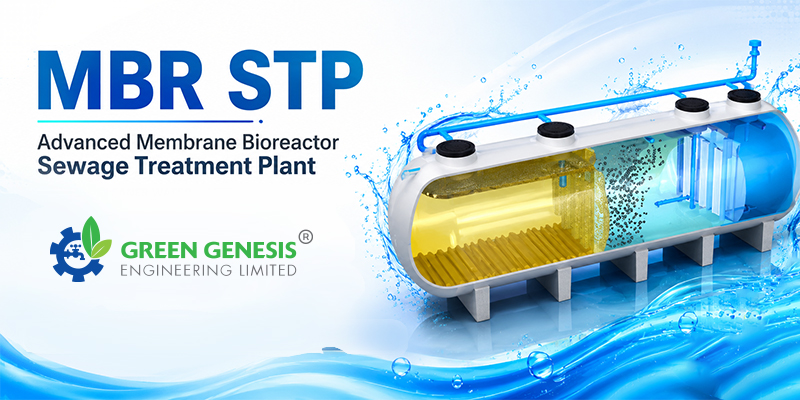
Effluent Treatment Plants (ETPs) play a critical role in maintaining environmental sustainability, especially in industrial sectors such as textiles, pharmaceuticals, leather, and food processing. In Bangladesh, the demand for high-quality ETPs is rising due to stringent government regulations, environmental awareness, and the need for industries to comply with international environmental standards.
Table Of Content
- Importance of High-Quality ETPs in Bangladesh
- Common Types of ETPs in Bangladesh
- Challenges in ETP Implementation in Bangladesh
- Notable ETP Providers and Consultants in Bangladesh
- Future of ETPs in Bangladesh
- Industrial Wastewater Management in Bangladesh
- Industrial sectors contributing to wastewater
- Environmental impact of industrial wastewater
- Regulatory framework for industrial wastewater management
- Challenges in industrial wastewater management
- Best practices in industrial wastewater treatment
- Case studies of successful industrial wastewater management practices
- Role of government and stakeholders
- Future trends in industrial wastewater management
- Importance of ETPs in industrial wastewater management
- Criteria for evaluating the best ETP in Bangladesh
- Top Effluent Treatment Plants in Bangladesh
- Case studies of successful ETP implementations
- Conclusion
Importance of High-Quality ETPs in Bangladesh
- Environmental Protection: Prevents pollution of water bodies by treating wastewater before discharge.
- Regulatory Compliance: Adheres to Bangladesh’s Department of Environment (DoE) regulations and international standards.
- Sustainable Operations: Enables industries to adopt eco-friendly practices, enhancing their global competitiveness.
- Recycling and Reuse: Facilitates water reuse, reducing freshwater consumption and operational costs.
Key Features of High-Quality ETPs
- Advanced Treatment Technologies: Incorporates biological, chemical, and physical treatment processes for optimal performance.
- Automation: Features automated monitoring and control systems to ensure consistent treatment efficiency.
- Energy Efficiency: Utilizes energy-efficient technologies to reduce operational costs.
- Scalability: Customizable designs to accommodate various industrial sizes and wastewater volumes.
Common Types of ETPs in Bangladesh
- Activated Sludge Process (ASP): Common in textile and chemical industries.
- Membrane Bioreactor (MBR): Ideal for industries requiring high-quality effluent treatment.
- Sequential Batch Reactor (SBR): Used for batch treatment of wastewater.
- Effluent Recycling Plants: Focused on water recovery and reuse.
Challenges in ETP Implementation in Bangladesh
- High Initial Investment: Many industries, especially SMEs, find it challenging to bear the cost.
- Lack of Expertise: Skilled professionals for ETP operation and maintenance are limited.
- Non-Compliance: Some industries bypass regulations, discharging untreated effluents.
- Power Dependency: High energy requirements for operation can be a constraint.
Notable ETP Providers and Consultants in Bangladesh
Several local and international companies offer ETP solutions tailored to industries in Bangladesh. These include:
- Local Providers: Green Genesis Engineering Limited.
- International Collaborations: Companies partnering with Bangladeshi industries to implement global best practices.
Future of ETPs in Bangladesh
With increasing awareness and regulatory enforcement, the adoption of high-quality ETPs is expected to grow. Innovations in treatment technologies, government subsidies, and international collaborations could further drive this growth, contributing to a more sustainable industrial sector in Bangladesh.
Would you like more details on specific types of ETPs, case studies, or providers in Bangladesh?
Industrial Wastewater Management in Bangladesh
Industrial wastewater management is a critical issue in Bangladesh, given the significant contributions of various industries to water pollution and environmental degradation. Effective management of industrial wastewater is essential to protect water resources, public health, and the environment.
Industrial sectors contributing to wastewater
Several industrial sectors in Bangladesh, including textiles, leather, pharmaceuticals, and food processing, generate substantial amounts of wastewater containing pollutants such as chemicals, heavy metals, and organic compounds. The discharge of untreated industrial effluents poses a significant threat to water bodies and ecosystems.
Environmental impact of industrial wastewater
Industrial wastewater can have severe environmental consequences, including water pollution, soil contamination, and health hazards for communities living near industrial areas. Contaminants in wastewater can disrupt aquatic ecosystems, affect agricultural lands, and pose risks to human health through the consumption of contaminated water and food.
Regulatory framework for industrial wastewater management
Bangladesh has established a regulatory framework to govern industrial wastewater management, including environmental laws, effluent discharge standards, and monitoring mechanisms. The government enforces these regulations to ensure that industries comply with environmental requirements and implement measures to treat and manage their wastewater responsibly.
Challenges in industrial wastewater management
The management of industrial wastewater in Bangladesh faces various challenges, such as inadequate infrastructure for wastewater treatment, technological limitations in effluent treatment processes, financial constraints for implementing treatment systems, and a lack of awareness among industries about the importance of proper wastewater management practices.
Best practices in industrial wastewater treatment
To address the challenges of industrial wastewater management, industries can adopt best practices such as installing Effluent Treatment Plants (ETPs), implementing recycling and reuse strategies, adopting pollution prevention measures, and providing training and capacity building for employees to enhance their understanding of wastewater management.
Case studies of successful industrial wastewater management practices
Several industries in Bangladesh have implemented successful wastewater management practices to reduce their environmental impact. Case studies from the textile industry showcasing initiatives for water conservation, the leather industry’s sustainability efforts, and the pharmaceutical industry’s waste reduction strategies demonstrate the positive outcomes of adopting responsible wastewater management practices.
Role of government and stakeholders
The government plays a crucial role in industrial wastewater management through the implementation of policies, regulations, and incentives to encourage industries to adopt sustainable practices. Industry associations and non-governmental organizations (NGOs) also play a significant role in promoting awareness, providing technical support, and facilitating collaboration among stakeholders.
Future trends in industrial wastewater management
The future of industrial wastewater management in Bangladesh will likely involve the adoption of sustainable technologies, circular economy approaches that promote resource recovery and reuse, public-private partnerships to enhance wastewater treatment infrastructure, and continued research and innovation to develop more efficient and environmentally friendly wastewater management solutions.
Importance of ETPs in industrial wastewater management
ETPs are essential for controlling pollution, meeting regulatory requirements, and promoting environmental sustainability in industrial operations. By treating wastewater effectively, ETPs help industries minimize their environmental footprint, protect water resources, and ensure compliance with environmental regulations.
Criteria for evaluating the best ETP in Bangladesh
The best ETPs in Bangladesh are evaluated based on their treatment efficiency, cost-effectiveness, compliance with effluent discharge standards, and implementation of sustainable practices. These criteria ensure that ETPs not only meet regulatory requirements but also contribute to long-term environmental protection and resource conservation.
Top Effluent Treatment Plants in Bangladesh
Several industries in Bangladesh have implemented top-performing ETPs, including textile, pharmaceutical, and food processing industries. These ETPs showcase best practices in wastewater treatment, resource recovery, and environmental management, setting a benchmark for sustainable industrial operations in the country.
Case studies of successful ETP implementations
Case studies of successful ETP implementations in Bangladesh highlight the challenges faced, solutions implemented, environmental impact assessments, and outcomes achieved. These case studies provide insights into the effectiveness of ETP projects and demonstrate the positive results of responsible wastewater management practices.
Conclusion
In conclusion, sustainable industrial wastewater management is essential for mitigating the environmental impact of industrial activities in Bangladesh. By implementing best practices, complying with regulations, and collaborating with government and stakeholders, industries can contribute to protecting water resources, preserving ecosystems, and safeguarding public health. Embracing innovative solutions and sustainable approaches will be key to ensuring a cleaner and healthier environment for present and future generations in Bangladesh.






No Comment! Be the first one.