



AI-Based Embroidery Digitizing: Smarter Stitch Design
AI-Based Embroidery Digitizing Creating embroidery designs used to be a slow and highly manual process. Every stitch, direction, and density had to be carefully planned by an experienced digitizer....

AI-Based Embroidery Digitizing
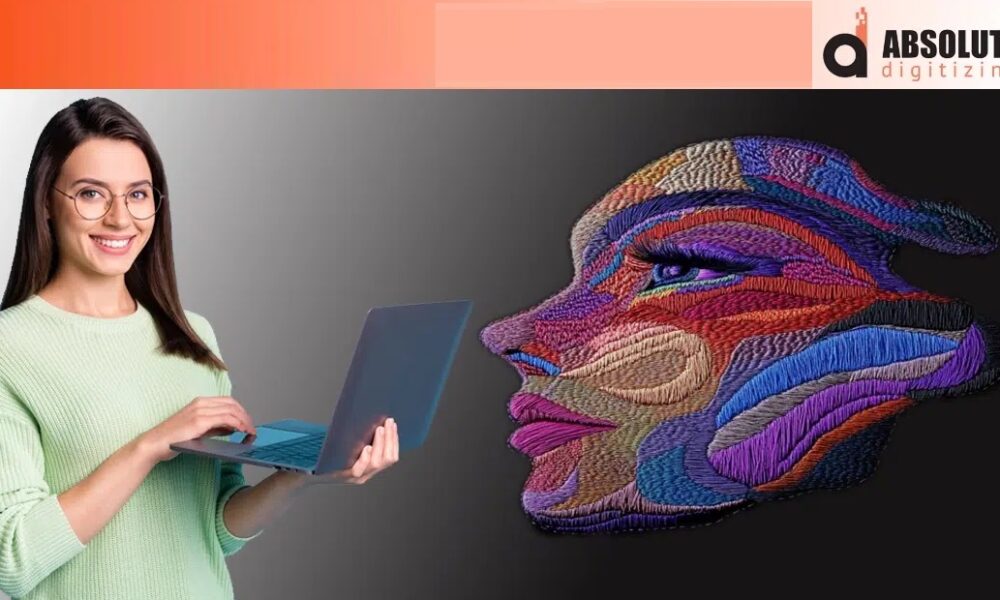
Creating embroidery designs used to be a slow and highly manual process. Every stitch, direction, and density had to be carefully planned by an experienced digitizer. Today, technology is changing that. AI-based embroidery digitizing is making it easier to convert artwork into embroidery-ready files faster than ever before.
Table Of Content
- Faster Design Conversion
- Great for Quick Turnarounds
- Improved Consistency
- Reduced Manual Work
- Better Productivity
- Small Lettering
- Detailed Artwork
- Specialty Fabrics
- Complex Stitch Effects
- Use High-Resolution Images
- Keep Designs Simple
- Review Every Design
- Test Stitch Before Production
- 1. What is AI-based embroidery digitizing?
- 2. Can AI completely replace embroidery digitizers?
- 3. Is AI-based embroidery digitizing accurate?
- 4. What types of designs work best with AI digitizing?
- 5. Why choose Absolute Digitizing for AI-assisted embroidery?
But does artificial intelligence replace professional digitizers? Not entirely.
Instead, AI acts as a smart assistant that speeds up repetitive tasks while experienced professionals fine-tune the design for the best embroidery results. In this guide, you’ll learn how AI-based embroidery digitizing works, its benefits, limitations, and when it makes sense for your embroidery projects.
What Is AI-Based Embroidery Digitizing?
AI-based embroidery digitizing is the process of using artificial intelligence to analyze artwork and automatically generate embroidery stitch patterns. Rather than creating every stitch manually, AI identifies shapes, colors, outlines, and fill areas before suggesting stitch types and directions.
The goal is simple: reduce production time while maintaining quality.
Unlike traditional digitizing, AI uses machine learning algorithms that improve over time by recognizing common embroidery patterns and design structures.
How AI-Based Embroidery Digitizing Works
Although every software system works differently, most AI-powered digitizing follows these basic steps:
- Upload artwork such as a logo or illustration.
- AI detects shapes, outlines, and color regions.
- The software assigns stitch types automatically.
- Stitch paths are generated to minimize trims and jumps.
- A professional digitizer reviews and adjusts the design.
- The final embroidery file is exported for machine use.
Think of AI as an assistant who prepares the first draft, while the expert completes the final masterpiece.
Benefits of AI-Based Embroidery Digitizing
Faster Design Conversion
One of the biggest advantages is speed.
AI can process artwork within minutes instead of hours, making it ideal for businesses handling large volumes of embroidery orders.
Great for Quick Turnarounds
Whether you’re producing uniforms, promotional products, or custom apparel, faster digitizing means faster delivery.
Improved Consistency
AI follows programmed rules consistently.
This helps maintain:
- Similar stitch density
- Uniform stitch angles
- Balanced underlay
- Consistent object spacing
For repeat orders, this consistency is especially valuable.
Reduced Manual Work
Many repetitive tasks become automated, including:
- Object recognition
- Color separation
- Basic stitch assignment
- Simple path optimization
This allows digitizers to focus on creative improvements rather than routine work.
Better Productivity
Embroidery businesses can process more designs in less time without sacrificing quality when AI is combined with human expertise.
Higher productivity often means:
- More completed orders
- Faster customer service
- Better workflow management
Can AI Replace Professional Digitizers?
The short answer is no.
AI is incredibly helpful, but embroidery is still both a technical skill and an art form.
Professional digitizers understand details that AI often struggles with, including:
- Fabric behavior
- Thread pull compensation
- Push and pull effects
- Specialty fabrics
- Small lettering
- Complex textures
- Cap embroidery
- 3D puff embroidery
These factors require human judgment that current AI cannot fully replicate.
Where AI Performs Best
AI-based embroidery digitizing works especially well for:
- Simple logos
- Text-based designs
- Flat graphics
- Basic icons
- Standard corporate branding
These designs usually require fewer manual adjustments.
Where Human Expertise Is Still Essential
Certain embroidery projects remain difficult for AI alone.
Examples include:
Small Lettering
Tiny text requires precise stitch planning to remain readable.
Detailed Artwork
Illustrations with shading, gradients, and intricate details often need manual editing.
Specialty Fabrics
Materials like fleece, denim, leather, towels, and stretchy fabrics behave differently during stitching.
Experienced digitizers know how to compensate for these differences.
Complex Stitch Effects
Decorative fills, texture simulations, and artistic embroidery still rely heavily on professional creativity.
AI-Based Embroidery Digitizing vs Traditional Digitizing
| Feature | AI-Based Digitizing | Traditional Digitizing |
| Speed | Very Fast | Moderate |
| Automation | High | Low |
| Human Editing | Usually Required | Fully Manual |
| Complex Designs | Limited | Excellent |
| Learning Curve | Easier | Steeper |
| Final Quality | Good with Editing | Excellent with Expertise |
Rather than competing, both methods work best together.
Tips for Better AI-Based Embroidery Digitizing Results
Getting excellent embroidery starts with quality artwork.
Here are a few practical tips:
Use High-Resolution Images
Blurry images make it difficult for AI to detect clean edges.
Keep Designs Simple
Clear shapes produce better stitch generation than cluttered artwork.
Review Every Design
Never send an automatically generated file directly to production without checking it.
Even small edits can prevent thread breaks or uneven stitching.
Test Stitch Before Production
A sample run helps identify issues before full production begins.
Testing saves both time and materials.
How Absolute Digitizing Combines AI with Human Expertise
At Absolute Digitizing, technology supports skilled professionals rather than replacing them.
AI speeds up repetitive processes, while experienced digitizers carefully adjust:
- Stitch density
- Pull compensation
- Underlay settings
- Travel paths
- Fabric-specific optimization
- Thread direction
This balanced approach delivers embroidery files that stitch cleanly while maintaining professional quality.
Is AI-Based Embroidery Digitizing Worth It?
For many embroidery businesses, the answer is yes.
AI can dramatically reduce production time and improve workflow efficiency. However, the best results still come from combining intelligent automation with experienced human digitizing.
Businesses that use both approaches often enjoy faster turnaround times, consistent quality, and fewer production errors.
As AI technology continues to evolve, it will become an even more valuable tool—but skilled embroidery professionals will remain an essential part of creating exceptional embroidery.
Conclusion
AI-based embroidery digitizing is transforming the embroidery industry by making design conversion faster, smarter, and more efficient. While artificial intelligence can automate many repetitive tasks, it still works best alongside experienced digitizers who understand fabric behavior, stitch quality, and embroidery techniques.
For businesses looking to improve productivity without compromising quality, combining AI technology with professional expertise is the ideal solution. At Absolute Digitizing, this balanced approach ensures every design is optimized for clean, reliable, and professional embroidery results.
Frequently Asked Questions (FAQs)
1. What is AI-based embroidery digitizing?
AI-based embroidery digitizing uses artificial intelligence to automatically analyze artwork and create embroidery stitch files, reducing manual work while improving speed.
2. Can AI completely replace embroidery digitizers?
No. AI can automate basic tasks, but professional digitizers are still needed for fabric adjustments, complex designs, specialty embroidery, and quality control.
3. Is AI-based embroidery digitizing accurate?
For simple logos and clean artwork, AI can be highly accurate. More detailed or complex designs usually require manual editing for the best results.
4. What types of designs work best with AI digitizing?
Simple logos, text, geometric graphics, and corporate branding typically produce the best results with AI-assisted embroidery digitizing.
5. Why choose Absolute Digitizing for AI-assisted embroidery?
Absolute Digitizing combines advanced AI technology with experienced human expertise to create embroidery files that deliver accuracy, efficiency, and excellent stitch quality across a wide range of fabrics and designs.



No Comment! Be the first one.